

Thoughtful staging helps buyers understand a home’s layout, notice its best features, and picture how each space can function. In West Jordan, a focused plan that emphasizes light, condition, storage, and outdoor areas can create a stronger first impression without requiring a full renovation.
Start With the Buyer’s First Impression
Staging is not about making a home look like a showroom or hiding its personality. It is about reducing visual distractions so buyers can focus on the parts of the property that matter most: the condition of the home, the flow of the rooms, natural light, storage, and usable indoor and outdoor space. Before listing, walk from the curb to the front door as if you were seeing the property for the first time. Look for easy improvements such as clearing walkways, trimming overgrown landscaping, sweeping the entry, and making sure exterior lights and house numbers are visible.
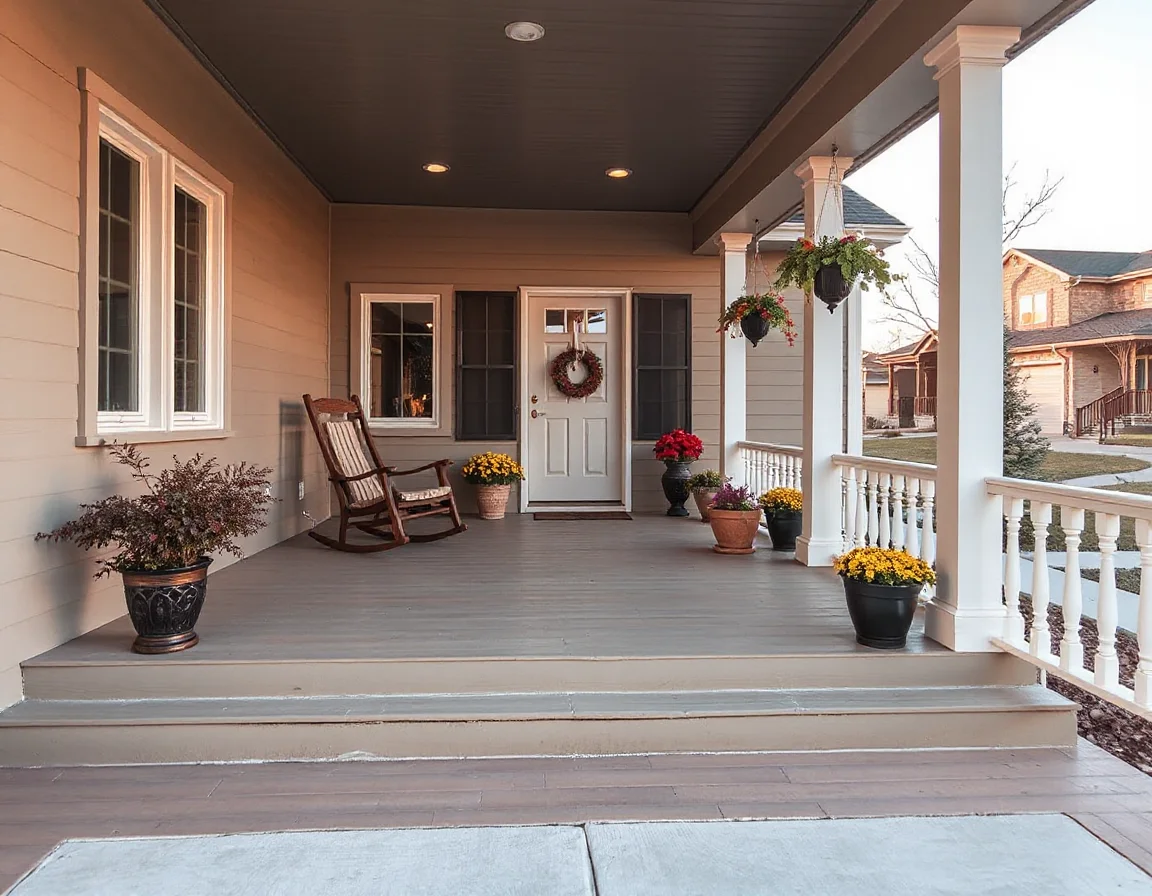
The entry sets the tone for the entire showing. A clean doormat, a working doorbell, fresh paint on a worn front door, and a simple planter can make the approach feel cared for. Avoid crowding the porch with excess décor or stored items. The goal is to make the route to the home feel open, maintained, and easy to navigate.
Inside, give buyers a clear visual path from one room to the next. Remove shoes, bulky furniture, cords, pet supplies, and stacks of mail from main walkways. A home does not need to be empty, but it should be easy to move through and easy to photograph. When rooms feel open, buyers can better understand their proportions and imagine practical furniture placement.
The most effective staging work often happens before décor is added: clean surfaces, clear pathways, working light fixtures, and a clutter-free entry can have more impact than expensive accessories.
It is also worth addressing small maintenance items before photos and showings begin. Replace burned-out bulbs, repair dripping faucets, tighten loose cabinet hardware, and touch up scuffed paint where needed. Buyers may not consciously notice every repair, but a well-maintained presentation builds confidence and keeps attention on the home’s strengths rather than a to-do list.
Make Each Room’s Purpose Easy to Understand
A common staging challenge is a room that has become a catch-all for storage, exercise equipment, office supplies, or hobby materials. Buyers may appreciate flexibility, but they also need to understand how the space works. If possible, show one clear purpose for each room. A spare room can be arranged as a bedroom, office, or reading room, while a finished basement area may benefit from a defined seating zone and a simple activity area rather than several competing uses.
The living room is often one of the best places to edit. Remove oversized pieces that make the room feel smaller, then arrange remaining seating to show conversation space and traffic flow. Use a neutral rug or throw to bring warmth without overpowering the room. Keep coffee tables lightly styled, and avoid filling every wall with artwork or shelving. A few intentional items usually photograph better than an abundance of personal collections.
Bedrooms should feel restful, functional, and appropriately scaled. Make the beds with coordinated bedding, clear the floor around them, and limit furniture to pieces that help demonstrate the room’s size. Closets matter as well. Buyers frequently open them, so remove seasonal overflow and donate or pack away items that are not needed before the move. An organized closet communicates usable storage more effectively than a closet filled to capacity.

In kitchens, think clean and useful rather than overly decorated. Clear counters of small appliances, food packages, and paper clutter while leaving a few purposeful touches, such as a bowl of fresh fruit or a tidy cutting board. Wipe down cabinet fronts, polish fixtures, and make sure the sink is empty. Pantry shelves and drawers do not need to look perfect, but they should be orderly enough to demonstrate capacity and care.
Bathrooms benefit from a hotel-like reset. Put away personal care products, medication, cleaning supplies, and laundry. Fresh towels, a clean mirror, a closed toilet lid, and a simple tray or small plant can make the space feel polished. If grout, caulk, or vanity hardware needs attention, those updates are generally more memorable than adding extra decorative items.
When a room has an unusual shape, use furniture sparingly to demonstrate its function. Leaving some open floor space helps buyers read the room’s dimensions more accurately during an in-person tour.
Use Light, Color, and Photography to Your Advantage
Light is one of the most valuable staging tools because it helps rooms feel clear, inviting, and connected. Open blinds and curtains before photography and showings, then turn on lamps in darker corners. Match bulb temperatures when possible so the home does not shift from warm yellow light in one room to cool white light in another. A consistent lighting plan helps photos look more natural and makes evening appointments more comfortable.
Neutral does not have to mean bland. Walls in a broadly appealing, light tone can help buyers focus on architectural details and furniture placement, while a few carefully selected textiles can add texture and warmth. If a room has a bold paint color that dominates the space, repainting may be worthwhile. On the other hand, not every room needs to be redesigned; clean paint and thoughtful editing often accomplish far more than a large cosmetic project.
Photography should happen after the home is fully prepared, not while the staging plan is still in progress. Remove trash bins, temporary signs, extra vehicles, and visual clutter from exterior areas. Indoors, make beds, straighten dining chairs, hide cords, and check mirrors for reflections. A listing’s photos are often a buyer’s first detailed introduction to a property, so they should accurately show the home at its most organized and well-lit.
Consider the seasons as you prepare exterior spaces. In warmer months, keep patios, decks, and yards tidy and show their usable footprint with clean seating or a simple outdoor table. During cooler weather, clear leaves, snow, or debris as conditions allow, and make the entry visible. These areas do not need elaborate landscaping to be effective; they simply need to look maintained and ready to use.
Create a Show-Ready Routine Before Listing
Once the home is staged, create a short routine for showing days. Make beds, put dishes away, wipe kitchen and bathroom counters, empty small trash cans, and do a quick check for clutter at the entry. Keep a basket or bin available for last-minute items such as chargers, mail, pet accessories, or children’s toys. This makes it easier to reset the home quickly when a showing is scheduled.
Fresh air can help, but avoid relying on heavy fragrances to create an impression. A clean home with subtle, neutral scents is typically more comfortable for visitors than a strongly scented one. Focus on practical details instead: clean floors, tidy laundry areas, comfortable temperatures, and adequate lighting. These basics help the home feel consistently cared for across every showing.
For sellers in West Jordan, staging should also reflect the property rather than follow a one-size-fits-all checklist. A newer home may benefit from highlighting modern storage, an open kitchen, or flexible living areas. An established property may benefit from emphasizing maintenance, character, mature landscaping, or recent improvements. The right strategy begins with an honest assessment of what buyers will see and what makes the home distinct.
Strong staging does not require perfection. It requires a clear plan, attention to condition, and a presentation that lets buyers focus on the space itself. By editing, cleaning, repairing, and thoughtfully preparing each room, sellers can enter the market with photos and showings that make the home easier to appreciate from the first click to the final walkthrough.