

New construction is an important part of the Herriman housing conversation, influencing available home styles, resale competition, timing, and pricing expectations. Whether you are comparing a builder contract with an existing home or preparing to sell nearby, a clear look at inventory and total costs can turn a complicated decision into a confident next step.
Why New Construction Matters in Herriman
Herriman continues to offer a mix of established neighborhoods, newer planned communities, townhomes, and detached homes, making new construction a factor in many local buying and selling decisions. Fresh inventory can give buyers more choices in layout, finishes, energy features, and move-in timing. At the same time, it can change how an existing home is positioned when similar new homes are available nearby.
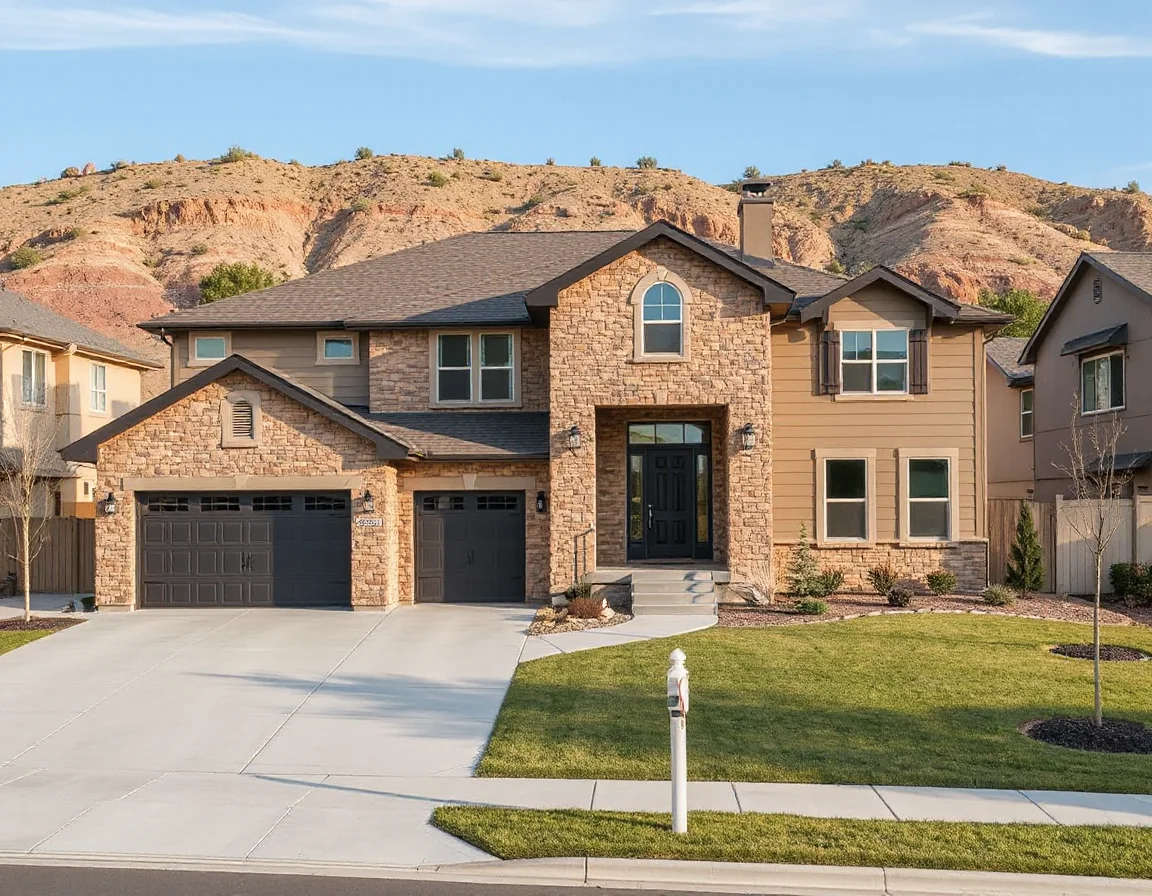
For buyers, the appeal often starts with the opportunity to choose. Depending on the builder and construction stage, that may include selecting finishes, reviewing lot options, or choosing from a limited set of floor plans. A new home can also offer current building standards and modern systems, but the purchase still deserves the same careful review as any resale transaction. Base price, lot premiums, design selections, lender terms, landscaping, window coverings, appliances, and association fees can all affect the final number.
For sellers, new construction creates a useful comparison point rather than an automatic obstacle. A resale home may offer completed outdoor space, established improvements, a finished basement, mature landscaping, or a faster closing timeline. Those features have real value when presented clearly. The key is to compare homes by their complete cost and condition, not simply by the advertised starting price of a newly built model.
A builder’s published base price is only the beginning of the comparison. Buyers and sellers benefit from looking at completed-home costs, incentives, estimated completion dates, and the features included in each property.
New construction can also influence the pace of the market. When several homes are being released in one area, buyers may have more options at once, while sellers may need especially polished presentation and accurate pricing. In a different season, limited completed inventory can make a well-maintained resale home stand out because it is available now. Local conditions can shift quickly, so current listings and recent closed sales matter more than broad assumptions.
Comparing a Builder Purchase With a Resale Home
A builder contract and a standard resale contract are not interchangeable. Builder agreements commonly include construction timelines, deposit requirements, design deadlines, warranty terms, and provisions that address material availability or completion changes. Reading every document before signing is essential, and buyers may wish to consult appropriate professional advisers for questions about contract language, financing, inspections, or tax implications.
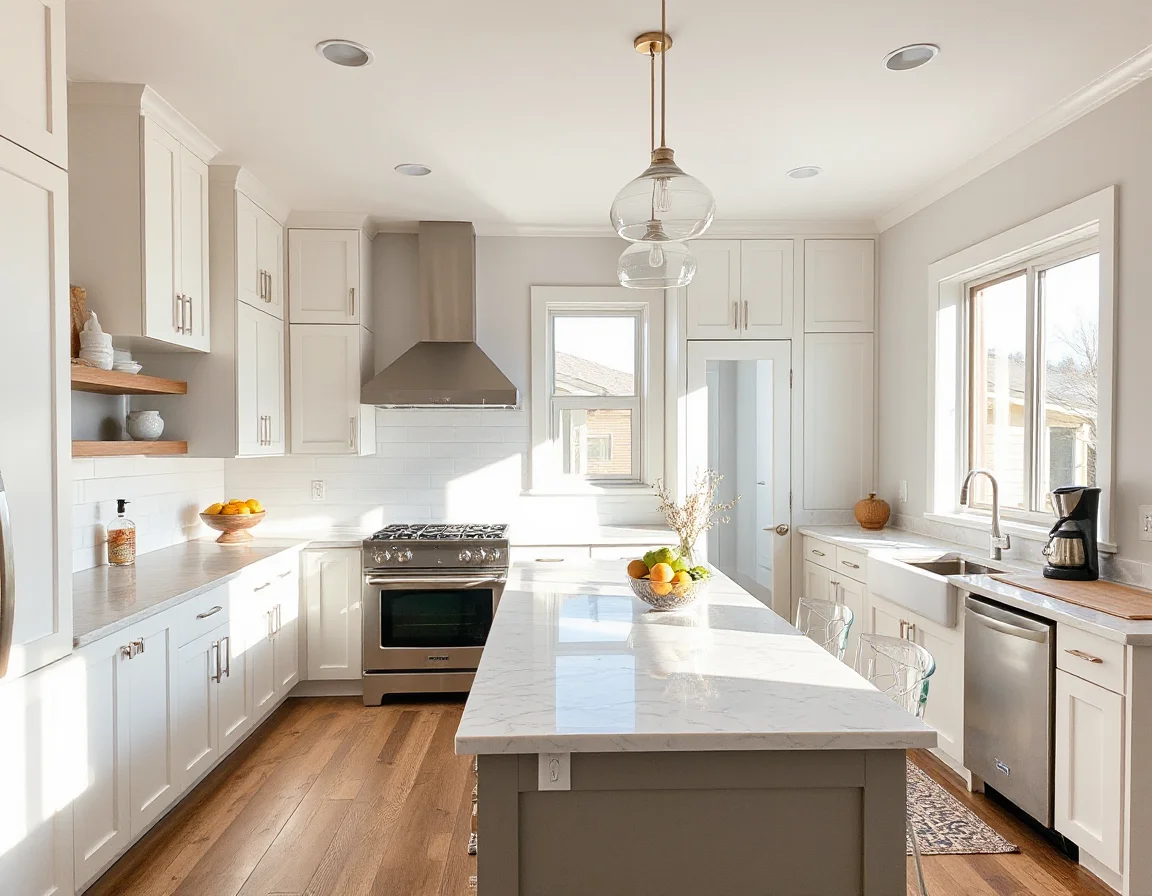
Timing is one of the largest practical differences. A resale home typically has a known condition and a defined closing window, while a home under construction can require patience and flexibility. A quick move-in home may reduce uncertainty, but it may provide fewer customization choices. A home in an earlier construction phase may offer more selection opportunities, while the completion date can remain subject to change.
Inspections remain valuable in either setting. New does not mean exempt from review. Buyers can ask about inspection access, builder orientation appointments, warranty procedures, and the process for documenting items that need attention before closing. A detailed walkthrough also helps a buyer understand how systems operate and what maintenance is expected after move-in.
Financing deserves equal attention. Builder incentives can be meaningful, particularly when tied to a preferred lender, but the offer should be compared with other available loan options. Review the interest rate, fees, credits, lock period, estimated cash to close, and any conditions attached to the incentive. A lower upfront cost is helpful only when the broader financing package fits the buyer’s goals and budget.
Resale homes have their own advantages: buyers can see the finished property, evaluate the surrounding streetscape, and understand which improvements are already in place. A seller can emphasize this certainty. Documents for major upgrades, maintenance records, utility details, and a thoughtful list of property features can help prospective buyers recognize the home’s value alongside nearby new construction.
A Pricing Strategy for Homes Near New Builds
When selling in or near an area with active building, pricing should begin with evidence. Recent closed sales, current competition, lot characteristics, square footage, upgrades, condition, and days on market all help establish a realistic range. New-home pricing should be part of the conversation, but it should not be the only benchmark. A model home’s appearance, for example, may reflect upgrades that are not included in the advertised price.
Presentation can make an existing home memorable. Clean surfaces, repaired details, bright photographs, and an uncluttered layout allow buyers to focus on the property itself. Outdoor areas deserve attention as well. A completed patio, functional yard, garden beds, or finished fencing may solve projects that a new-home buyer would otherwise need to plan and fund after closing.
For a resale listing, completed improvements can be a meaningful advantage. Documented upgrades and clear feature descriptions help buyers compare an established home with a newly built alternative on equal footing.
It is also useful to be direct about the property’s strengths. If the home offers a completed lower level, a larger usable yard, additional storage, or a location with convenient access to parks, trails, services, and major routes, those details belong in the marketing. Objective information helps buyers compare options without guesswork. The goal is not to compete with a builder’s showroom; it is to show the complete, ready-to-enjoy value of the home being offered.
Pricing too far above nearby alternatives can limit early interest, while pricing without regard to condition can leave value on the table. A market review before listing can identify the most relevant competition and help determine whether strategic repairs, staging, or a different launch plan would strengthen the home’s position.
Making the Next Decision With Clarity
New construction adds options to the Herriman market, and more options can be a benefit when they are evaluated carefully. Buyers can compare immediate availability, customization, monthly costs, and contract terms. Sellers can use the same market knowledge to highlight what a completed home offers today.
The most effective approach is a side-by-side review that accounts for more than the headline price. Consider the full purchase cost, expected timeline, included features, financing terms, maintenance needs, and resale potential. With a clear understanding of those details, buyers and sellers can move forward with a strategy that reflects the home, the market, and their own priorities.