

Buying a first home in Draper is less about finding a “perfect” property and more about making clear decisions in the right order. From building a realistic monthly budget to reviewing inspections, contingencies, and new-construction timelines, a thoughtful plan can help turn a complex purchase into a manageable next step.
Start With the Monthly Payment, Not the Listing Price
It is easy to begin a home search by scrolling through photos and comparing asking prices. A more useful first step is to understand what the complete monthly housing cost may look like. In addition to principal and interest, buyers should account for property taxes, homeowners insurance, possible HOA dues, mortgage insurance when applicable, utilities, and routine maintenance. A lender can provide a preapproval estimate, but it is wise to review the numbers in a way that leaves room for everyday expenses and future goals.
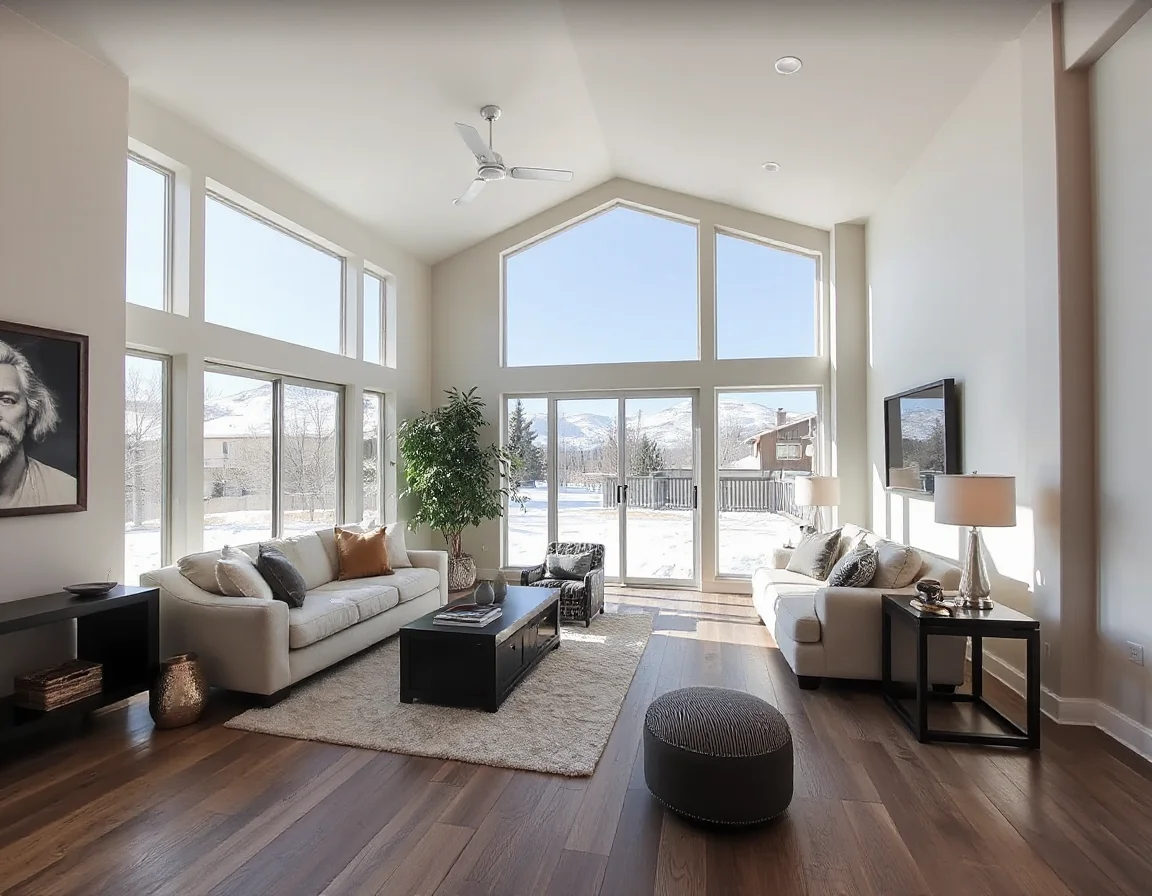
A preapproval is a planning tool, not a spending target. It can clarify a lending range, demonstrate readiness when submitting an offer, and help buyers compare loan programs. Still, the amount a lender is willing to approve may be different from the payment that feels comfortable month after month. Ask for estimates at several purchase prices and consider how changes in interest rates, down payment size, or HOA dues could affect the total.
Draper offers a mix of property types, from condominiums and townhomes to established single-family homes and newer construction. Each can carry different ownership costs and maintenance responsibilities. For example, an HOA may maintain exterior elements or shared amenities, while a detached home may offer more direct control over the property but require a larger maintenance reserve. Comparing homes through the lens of total cost, not just square footage or finishes, can make the search more focused.
Before touring extensively, build a simple “comfortable payment” range and keep a separate reserve for closing costs, moving expenses, and early home repairs or furnishings.
Down payment planning deserves the same practical attention. A 20% down payment is not required for every loan program, and buyers may have options depending on credit, income, location, and loan eligibility. Closing costs are separate from the down payment and can include lender charges, title services, prepaid insurance, and tax-related items. Requesting a loan estimate early gives buyers a clearer picture of cash needed at closing and creates an opportunity to compare financing choices carefully.
Prepare Your Search Strategy for Draper
Once financing is underway, define the features that matter most for daily use. Consider commute routes, access to trails or parks, proximity to services, lot size, storage, layout, age of the home, and the level of maintenance you are prepared to take on. A written list with “must-have,” “would-like,” and “not-a-fit” categories can keep decisions grounded when several homes begin to blur together.
Local inventory can vary by neighborhood, price range, and season. Some listings may receive quick attention, while others may allow more time for comparison. Rather than assuming every situation calls for the same offer strategy, review the property’s condition, days on market, competing activity, seller timeline, and recent comparable sales. A well-supported offer is usually more valuable than an offer based on a single headline number.
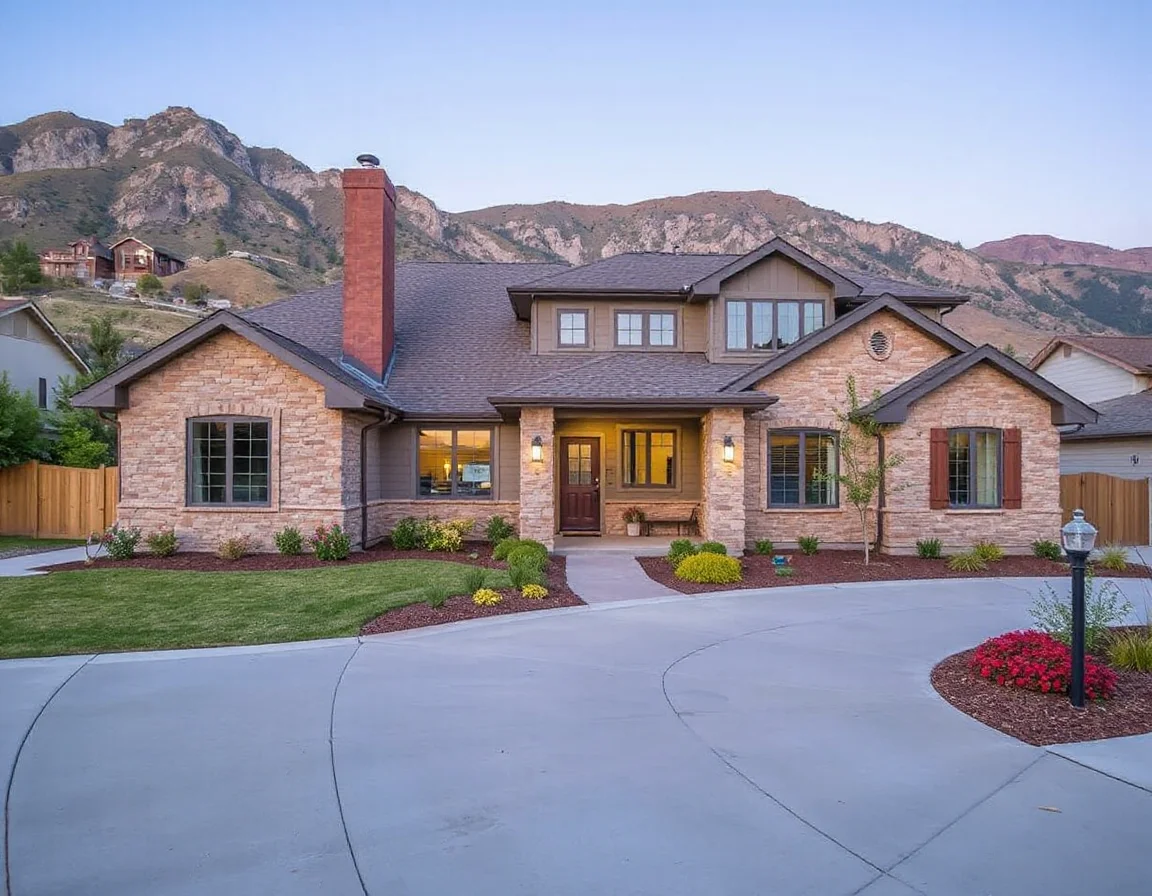
When touring, look beyond staging and finishes. Notice the condition of windows, roof lines, drainage, appliances, flooring, and mechanical systems where visible. Listen for road noise at different times of day, check how natural light moves through the rooms, and take notes immediately after each visit. These observations do not replace professional inspections, but they help buyers compare homes based on everyday function rather than first impressions alone.
New construction can also be part of the conversation in and around Draper. A newly built home may offer current design choices and warranties, but the process can involve construction schedules, builder contracts, upgrade decisions, and possible changes between an early model tour and the final property. Buyers should ask what is included in the base price, what requires an upgrade, when deposits are due, and how the completion timeline is handled. Independent inspections can still be useful during a new-construction purchase.
It is also important to read HOA documents when a property is part of an association. Review monthly dues, current rules, reserve information when available, pending assessments, rental restrictions, parking guidelines, and maintenance responsibilities. These details shape both the cost of ownership and how the property is used, so they deserve attention before deadlines expire.
Write an Offer With Room for Due Diligence
An offer includes more than price. It may address earnest money, financing terms, requested closing date, inspection deadlines, appraisal provisions, included personal property, and seller concessions where appropriate. These terms work together, and the strongest combination depends on the home, the market conditions, and the buyer’s financing. Understanding each line before signing helps avoid surprises after an offer is accepted.
Earnest money is a good-faith deposit that is typically delivered after contract acceptance and held according to the purchase agreement. It is not simply an extra fee. The circumstances under which it may be returned or applied toward closing depend on the contract and any applicable contingencies. Buyers should understand the timeline for inspections, financing, appraisal, and disclosures before moving forward.
The inspection period is a decision window: use it to learn about the home’s condition, request appropriate repairs or credits when warranted, and decide whether the property still fits your goals.
A professional home inspection is one of the most valuable parts of the process. Inspectors evaluate visible and accessible components and provide a report that can identify maintenance needs, safety concerns, or larger repair considerations. Depending on the property, buyers may also consider specialized evaluations for items such as sewer lines, radon, roofs, or foundations. The goal is not necessarily to find a flawless home; it is to understand the property well enough to make an informed decision.
Move From Contract to Closing With Fewer Surprises
After acceptance, the transaction enters a deadline-driven phase. Lenders may request updated documents, appraisals need to be scheduled, inspections must be completed, and title work moves forward. Keep financial activity steady during this period. Avoid opening new credit accounts, making large unverified deposits, changing jobs without discussing it with the lender, or financing major purchases before closing. Even a positive financial change can require additional underwriting review.
Shortly before closing, buyers typically receive final figures outlining loan terms and closing costs. Review them closely and ask questions early if an amount or condition does not match expectations. A final walk-through is also an opportunity to confirm the home is in the agreed condition, included items remain, and any negotiated repairs have been addressed as documented.
First-time buyers do not need to know every answer at the beginning. They do need a reliable process, a clear budget, and enough time to ask informed questions. With preparation and careful due diligence, purchasing a home in Draper can become a series of practical milestones rather than a rush of unfamiliar paperwork.