

Utah Lake and the surrounding mountains give Saratoga Springs a distinctive setting, but the experience can vary considerably from one address to the next. Explore what to look for in a lake view, how to investigate trail access, and which practical details matter when comparing homes.
A Closer Look at the Lakeside Setting
Along the western side of Utah Lake, Saratoga Springs offers a landscape shaped by open water, foothills, and views across the valley. In residential areas near the lake, the scenery can change throughout the day: morning light catches the mountains, while evening brings a different perspective across the water. The city takes its name from local hot springs, a reminder that the area’s appeal as a destination predates its present-day neighborhoods.

Within the broader lakeside area, homes can differ in elevation, distance from the water, and orientation. One property may have a view from a back patio; another may offer a glimpse from an upstairs window. Roads, neighboring homes, vegetation, and future development can all affect what is visible. A listing photograph is a useful starting point, but it cannot tell the whole story.
When visiting, look from the rooms and outdoor spaces you expect to use most. Ask whether the view is across privately owned land and whether there are known plans for nearby parcels. It can also help to return at a different time of day to see how sunlight, shade, and traffic change the experience. A view is personal, so take time to decide what it means for your search.
A home described as having a lake view may not have direct lake access. Check both the view from the property and the public route to the shoreline separately.
Proximity to water can raise other questions. Review property disclosures, insurance options, and any applicable flood information with the appropriate professionals rather than assuming that a nearby home is—or is not—affected. Conditions vary by parcel, and the details are worth understanding before making an offer.
Finding Trails and Outdoor Space
For many buyers, the appeal of the area extends beyond what they can see from home. Parks, paved paths, and open spaces give residents places to spend time outdoors, while Utah Lake adds a waterfront element to the local landscape. Access and amenities vary, so the most useful question is not simply whether a trail appears on a map, but how conveniently it connects to a particular address.
Before a showing, identify the route you would actually use. Check for sidewalks, road crossings, parking, trail surfaces, and any gaps between a subdivision and a public path. A short distance on a map does not always translate into a direct route. If accessibility, grade, or surface condition matters to you, visit in person and check current information with the relevant managing agency.
Season and weather can shape an outing, too. Summer sun can make shade and water useful considerations, while colder months may bring snow or icy paths. For lake recreation, check current conditions, public access locations, and any applicable rules before heading out. Shoreline conditions and water levels can change, and being near the lake does not guarantee that every stretch of shore is open for public use.
It is worth exploring more than one route around a prospective home. A neighborhood park may be convenient for a short break, while a longer outing may involve a drive to a trailhead or another recreation area. Those differences can help you compare properties based on your own routines rather than relying on a general description of the city.
Comparing Homes Beyond the View
Residential areas around Saratoga Springs include a range of home designs, lot sizes, and community layouts. As you compare listings, consider how the property functions alongside its setting. Outdoor space, storage, parking, room configuration, and maintenance needs can be as important to day-to-day satisfaction as a mountain or lake outlook.
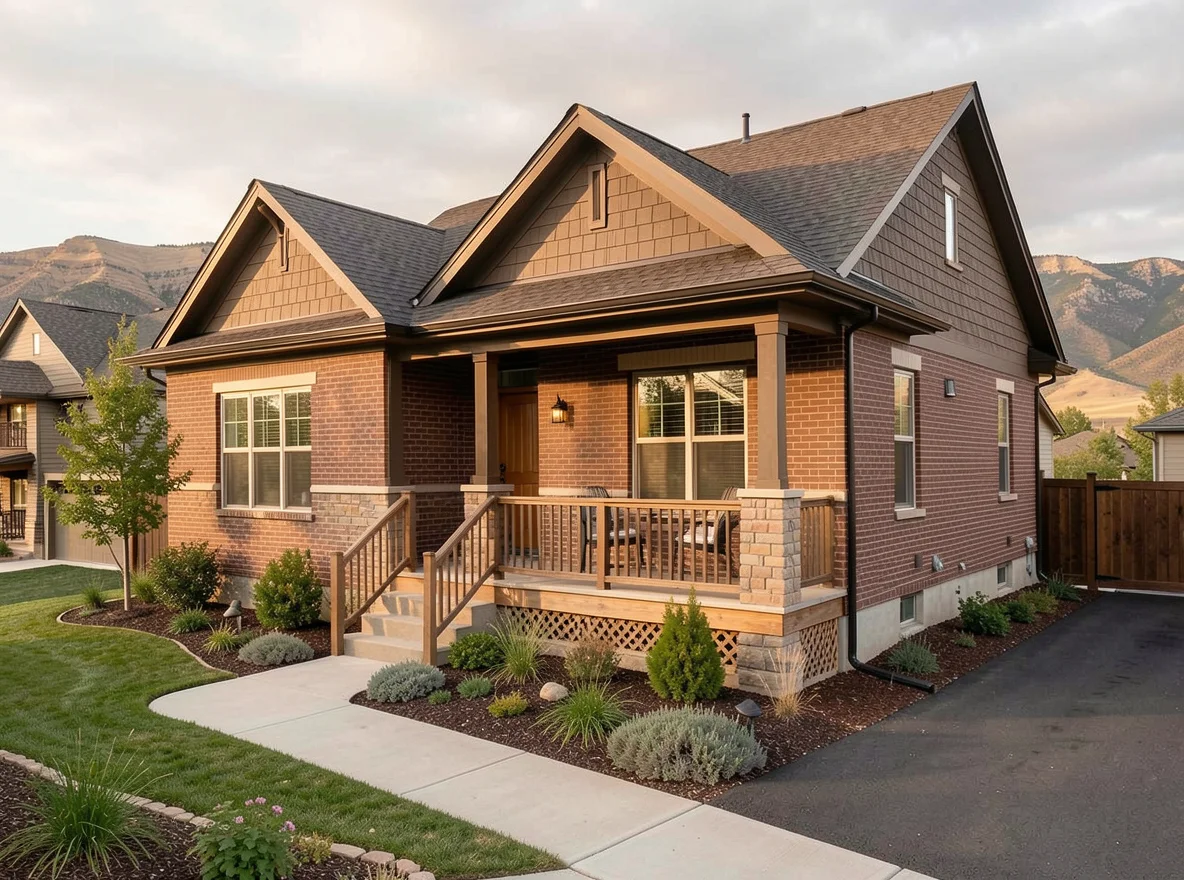
Some properties may be part of a homeowners association. Request the governing documents, fee schedule, and information about current or planned assessments before committing. Review any rules affecting landscaping, exterior changes, parking, or amenities, and confirm what the association maintains. Two homes with similar asking prices can have different ongoing costs and responsibilities.
For a newly constructed home, ask what is included in the quoted price and which features are upgrades. Landscaping, window coverings, appliances, and exterior improvements may be handled differently from one builder or property to another. Confirm estimated completion dates and warranty terms in writing, and consider how nearby construction might affect access or views as the area develops.
For an existing home, an inspection can help clarify the condition of major systems and reveal maintenance items that are not obvious during a showing. Compare utility costs when information is available, and consider how lot orientation affects afternoon sun, shade, and the use of outdoor areas. These details add useful context to the purchase price.
Compare the full cost of a home—not just its list price—including association fees, insurance, utilities, and anticipated maintenance.
Current listings can help establish what is available, but asking prices alone do not establish market value. A local real estate professional can help review recent comparable sales, property condition, and the terms of competing listings. For sellers, the same analysis can inform a pricing strategy that reflects the home’s actual features rather than assuming every lake-area view carries the same value.
Search Saratoga Springs listings
Everyday Amenities and Local Research
A good neighborhood comparison includes the practical stops between home and recreation. Consider the location of grocery options, dining, services, and the roads you expect to use regularly. Rather than relying on an estimated drive time from a listing, try the route at the hours that matter to you. Travel times can change with traffic, weather, roadwork, and the location of the home within the city.
If school information is part of your research, verify the assigned schools directly with the relevant district using the property address. Boundaries and enrollment policies can change, and a school named in a listing may not reflect current assignment. The same address-specific approach is useful for utilities, internet availability, municipal services, and any questions about planned development.
For sellers, everyday context is useful when presenting a property. Describe features accurately: identify where a view can be seen, explain the route to nearby public amenities, and distinguish community facilities from public ones. Buyers benefit from clear information, and sellers avoid creating expectations that a property cannot support.
Saratoga Springs is best understood one address at a time. Spend time with the landscape, test the routes that matter to you, and ask questions about the costs and responsibilities attached to each property. With those details in hand, buyers and sellers can make more confident decisions about a place where lake views and everyday living meet.