

Selling in Magna is easier to manage when pricing, repairs, and presentation are handled in the right order. This checklist helps you focus on the details that shape a buyer’s first impression, support a well-documented list price, and keep the final weeks before launch from becoming overwhelming.
Start With the Price, Not the Paint Color
A successful listing plan begins with a clear view of the local competition. Before committing to a price, review recent closed sales, current listings, pending properties, square footage, lot size, condition, upgrades, and the practical features buyers can compare from one home to another. A similar home that closed several months ago may still be useful, but today’s active inventory and pending activity help frame the choices buyers have right now.
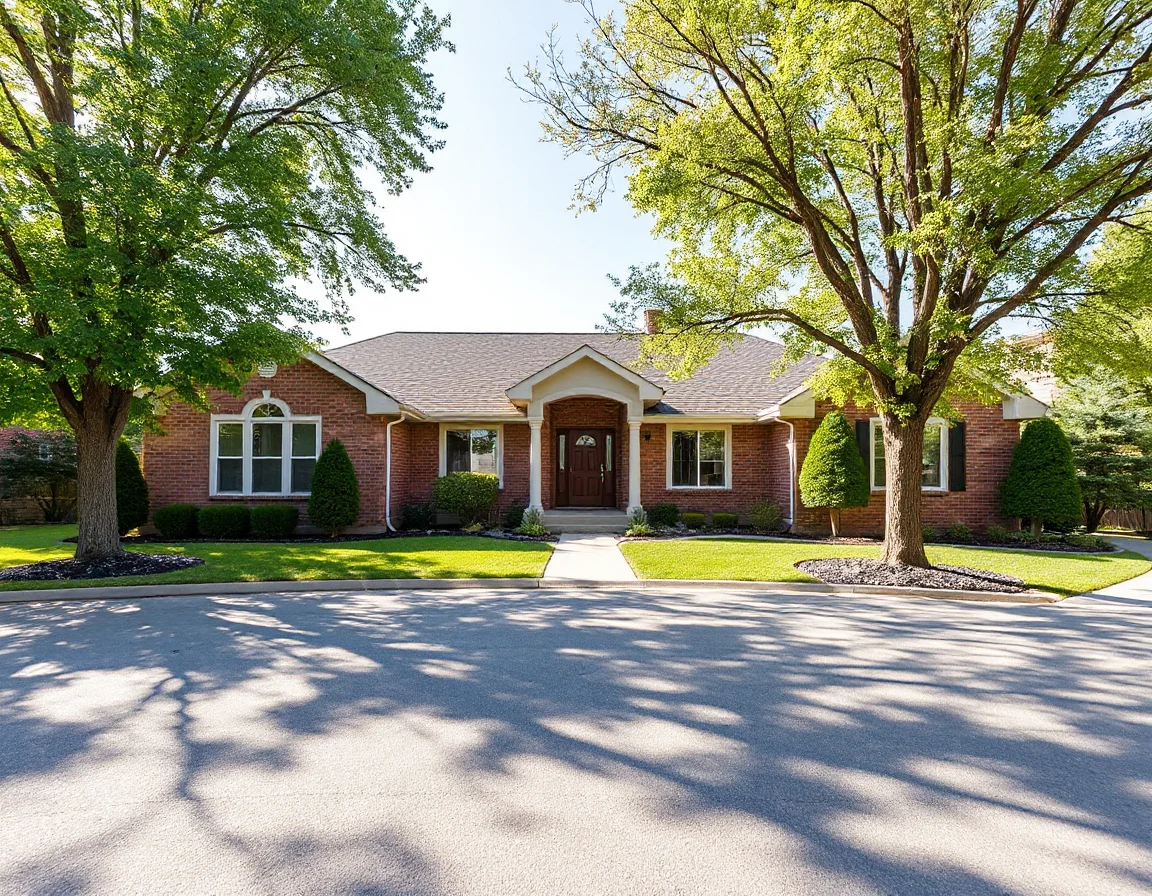
It is tempting to begin with a number based on a hoped-for outcome or a headline about the broader Utah market. A stronger approach is to look at the property through a buyer’s lens: What will a buyer see in the first ten minutes? Which nearby homes will appear in the same online search? What improvements are already reflected in the condition and features? The goal is not simply to name a high number; it is to position the home credibly among the options available at launch.
Gather the information that helps explain value before a pricing conversation. That can include utility updates, roof age, HVAC service records, permits for finished space, appliance manuals, warranty documents, surveys, and a concise list of improvements with approximate dates. Documentation does not replace an appraisal or inspection, but it gives prospective buyers a more complete picture of the care invested in the property.
The first days on market often create the clearest comparison point. A thoughtful launch price, supported by condition and local data, can attract more meaningful attention than a later series of reactive price changes.
Also consider the cost of competing listings rather than focusing only on their asking prices. A home with a lower list price may need substantial work, have a different layout, or offer fewer finished spaces. Conversely, a higher-priced property may have recent updates that buyers value immediately. An experienced local review can separate cosmetic differences from the features that tend to affect market response.
Handle Repairs That Improve Confidence
Once a pricing range is taking shape, walk through the home slowly and make a repair list. Begin with items that signal maintenance concerns: active leaks, damaged flashing, loose handrails, cracked windows, nonfunctioning fixtures, exposed wiring, sticking doors, and visible water staining. Small defects can draw outsized attention because they make buyers wonder what else may have been deferred.
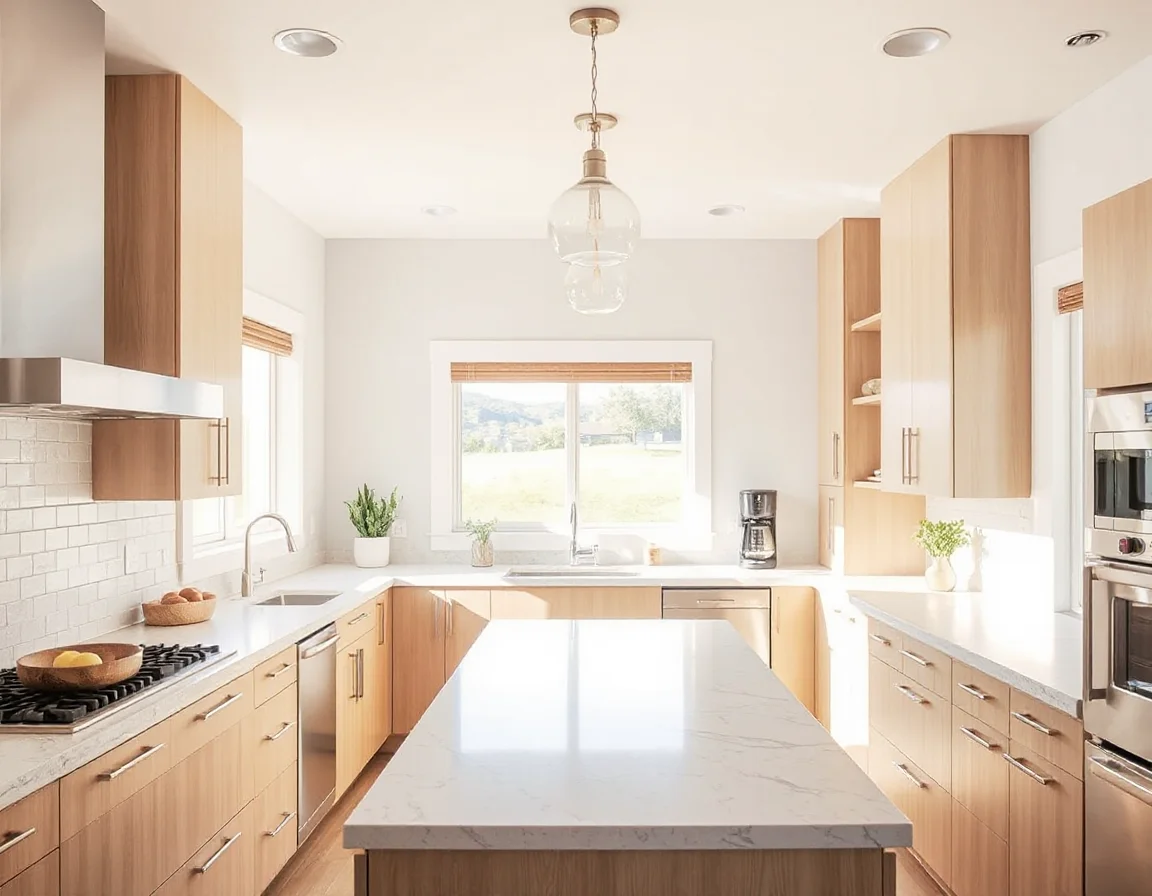
Prioritize function before cosmetics. Repair a dripping faucet before replacing decorative hardware. Confirm that doors latch, lights work, exhaust fans operate, and exterior drainage directs water appropriately. If a larger issue is known, ask qualified professionals for guidance and estimates rather than guessing at the scope. Depending on the situation, completing the work, disclosing it clearly, or pricing with the condition in mind may be the most practical path.
Cosmetic projects should be selective. Fresh neutral paint, clean grout, updated caulk, trimmed landscaping, and replacement of visibly worn switch plates can make a room feel cared for without turning the preparation period into a full renovation. Major remodels do not automatically return their full cost before a sale, especially when personal design choices may not match every buyer’s preferences.
Exterior details deserve the same attention as interior rooms. Clear leaves and debris from gutters where safe to do so, secure loose fencing, touch up obvious peeling paint, replace burned-out exterior bulbs, and keep walkways clear. In Magna’s changing seasons, a tidy entry, a maintained driveway, and landscaping that looks intentional can make the approach to the home feel more polished.
A repair list works best when it is divided into three columns: must address, helpful improvement, and optional project. That simple distinction protects your budget and keeps listing prep moving forward.
Prepare Each Room for Photography and Showings
Listing preparation is less about creating a staged museum and more about helping buyers understand the home’s spaces. Start by removing items that crowd counters, block windows, hide flooring, or distract from room dimensions. Clear kitchen surfaces, bathroom vanities, entryways, and laundry areas first; these functional spaces often reveal daily wear most quickly.
Then simplify furniture placement. Leave clear paths through rooms, open blinds or curtains where privacy allows, and make sure the purpose of each area is easy to read. A spare room can be presented as flexible space without assigning it to a particular type of household. Storage areas should be orderly as well. Buyers frequently open closets, cabinets, garages, and utility rooms to evaluate capacity and maintenance.
For photography, aim for consistency. Replace mismatched bulbs when possible, clean mirrors and appliances, remove magnets and personal paperwork, and put away pet supplies during the photo appointment. Photography should show accurate scale and condition, so avoid packing a room with decorative objects or using temporary fixes that could create confusion during a showing.
Before each showing, use a short reset routine: make beds, wipe down major surfaces, empty trash, set the thermostat to a comfortable season-appropriate setting, and secure valuables and sensitive documents. A simple routine reduces last-minute stress and makes it easier to accommodate appointment requests.
Build a Launch Plan That Keeps You Organized
The final week before going live is a good time to confirm the details that can otherwise get missed. Review the listing information for accuracy, including bedroom and bathroom counts, square footage source, lot information, included appliances, utility features, and upgrade descriptions. If there are documents that may be useful to buyers, organize them so they can be shared appropriately during the transaction.
Decide in advance how showing access will work, how much notice is practical, and where pets, keys, and important documents will be during appointments. Clear expectations make the experience smoother for everyone and help keep the home ready for a short-notice visit. If you are planning to purchase after selling, discuss timing, contingencies, and possible transition options early rather than waiting until an offer arrives.
Magna offers a varied housing inventory, from established properties with mature landscaping to homes with newer finishes and different lot configurations. That variety makes preparation especially important: buyers will compare specific features, upkeep, and location details rather than relying on a one-size-fits-all impression. The clearest listing story is an honest one—well priced, cleanly presented, and supported by complete information.
A Practical Finish Line Before You List
Use the checklist to make decisions, not to chase perfection. Price from current evidence, complete high-impact repairs, simplify the home for photos and showings, and keep records ready for questions. When those pieces come together, your property can enter the Magna market with a presentation that makes its strengths easier to see and its next steps easier to manage.