
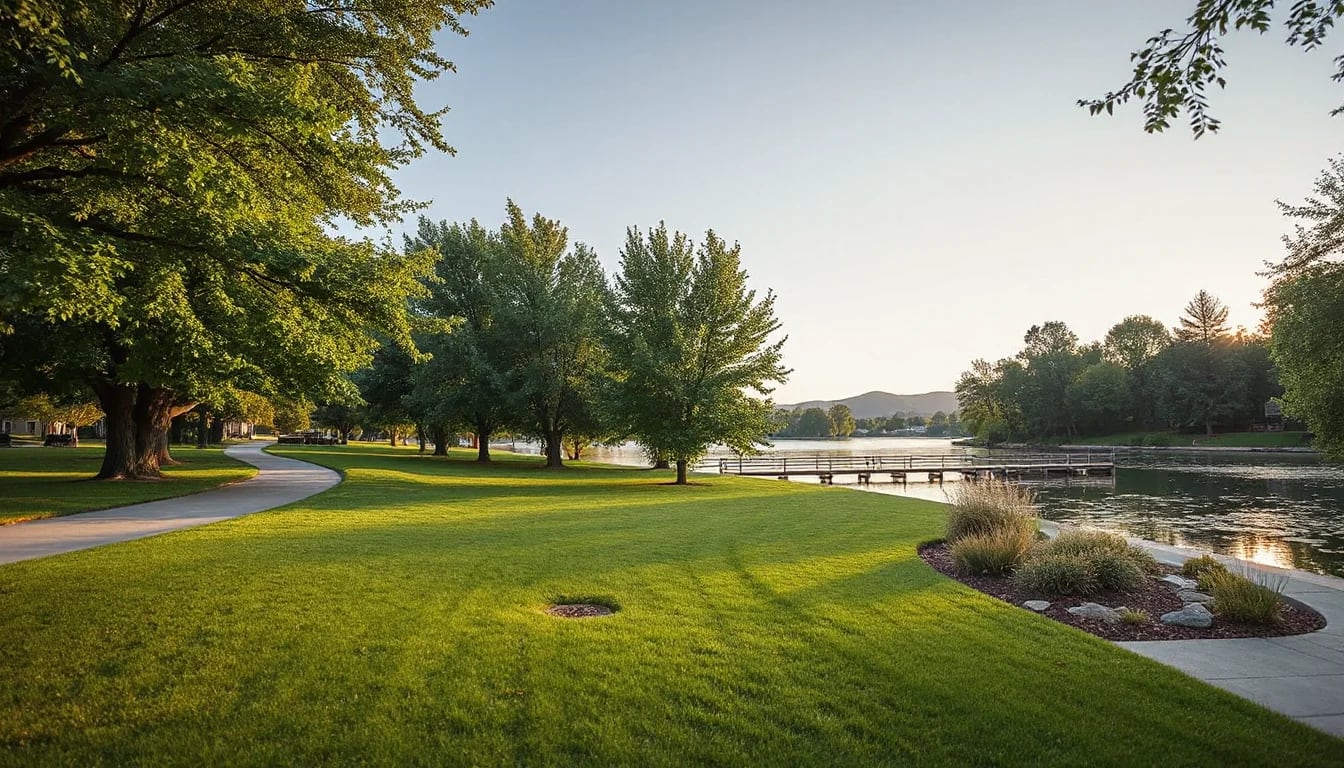
Lehi offers a practical mix of trail access, everyday conveniences, destination dining, and transportation connections along Utah County’s northern edge. Whether you are comparing neighborhoods, planning a weekend outing, or evaluating the rhythm of a potential commute, knowing how these pieces fit together can make a move feel much more informed.
A City Built for Getting Outside
Lehi sits between the Wasatch Front and Utah Lake, giving residents access to a landscape that shifts from established neighborhood pathways to foothill views and broad valley routes. Outdoor time can be as simple as a walk around a local park or as ambitious as a longer ride on connected regional trails. The city’s location also makes it easy to use nearby recreation areas throughout Utah County and the Salt Lake Valley.
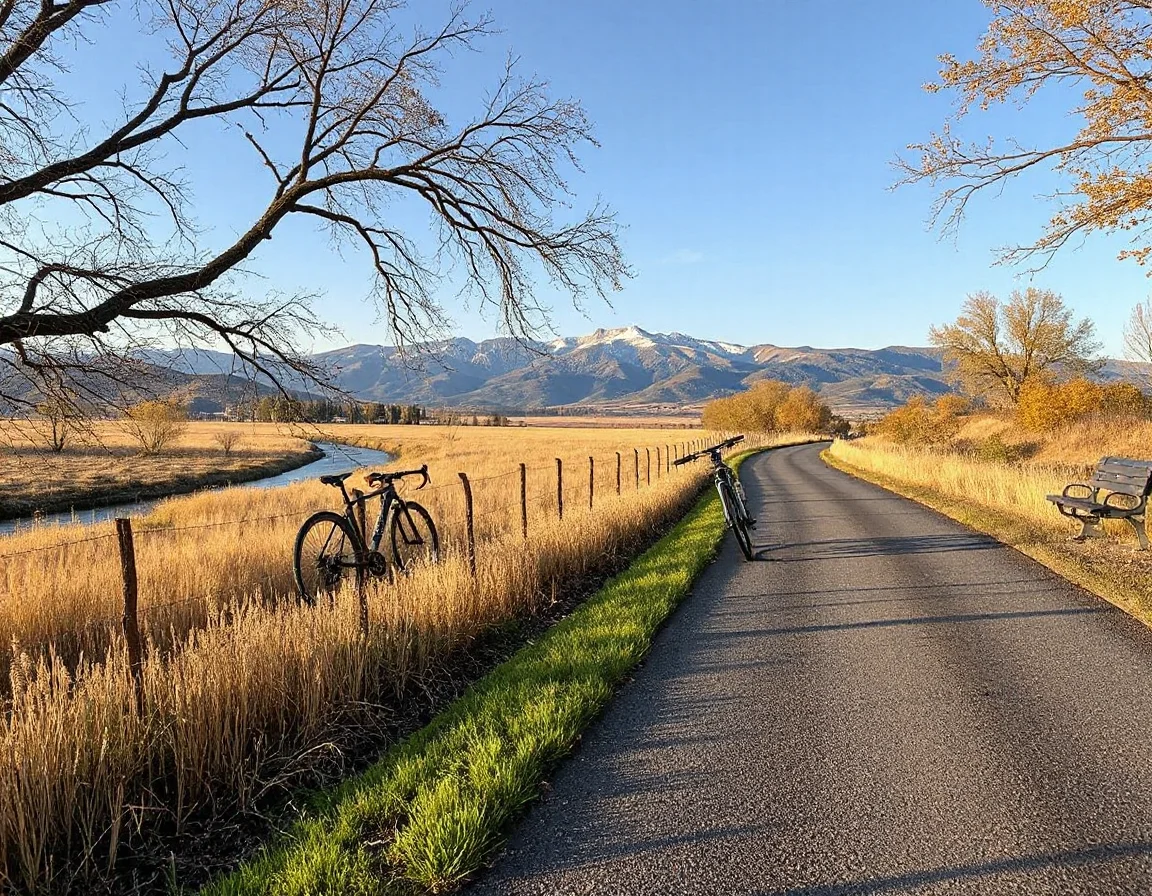
For a close-to-home route, the Jordan River Parkway Trail is a useful regional resource. Segments near Lehi provide space for walking, running, and cycling while following the river corridor north and south. Conditions, access points, and connected segments can change with construction or seasonal maintenance, so checking current city or trail information before a longer outing is worthwhile. Still, the route helps illustrate one of Lehi’s appealing qualities: recreation does not have to require a full day of driving.
The Dry Creek Trail network is another familiar option for people looking for paved connections, neighborhood access, and mountain-facing scenery. Routes vary in grade and surroundings, so they can suit a quick evening stroll, a bike ride, or a longer walk with a destination in mind. Nearby parks and open spaces add more options for picnics, sports, and time outside. In warmer months, early mornings and evenings often offer more comfortable temperatures; during winter, trail surfaces and daylight hours deserve extra attention.
When comparing homes in Lehi, map the actual route from the property to the nearest trail or park rather than relying on a general “nearby” description. A few blocks, a major road crossing, or a change in elevation can make a meaningful difference in everyday access.
For those who enjoy larger destination outings, Thanksgiving Point adds gardens, museums, events, and public gathering spaces to the area’s recreation mix. Utah Lake State Park, American Fork Canyon, and the foothill trails east of the city are also within reach for day trips, though travel time naturally depends on traffic and the starting point within Lehi. This range of options gives home buyers plenty to consider beyond square footage: the places where they spend a Saturday morning can be just as important as the features inside the home.
Dining, Shopping, and Everyday Errands
Lehi’s commercial areas have expanded alongside its residential growth, creating a broad selection of places to pick up groceries, household essentials, services, and meals. The Point of the Mountain area and corridors near major interchanges include national retailers as well as locally owned businesses. That combination means residents can often handle routine errands close by while still having access to larger shopping destinations throughout the region.
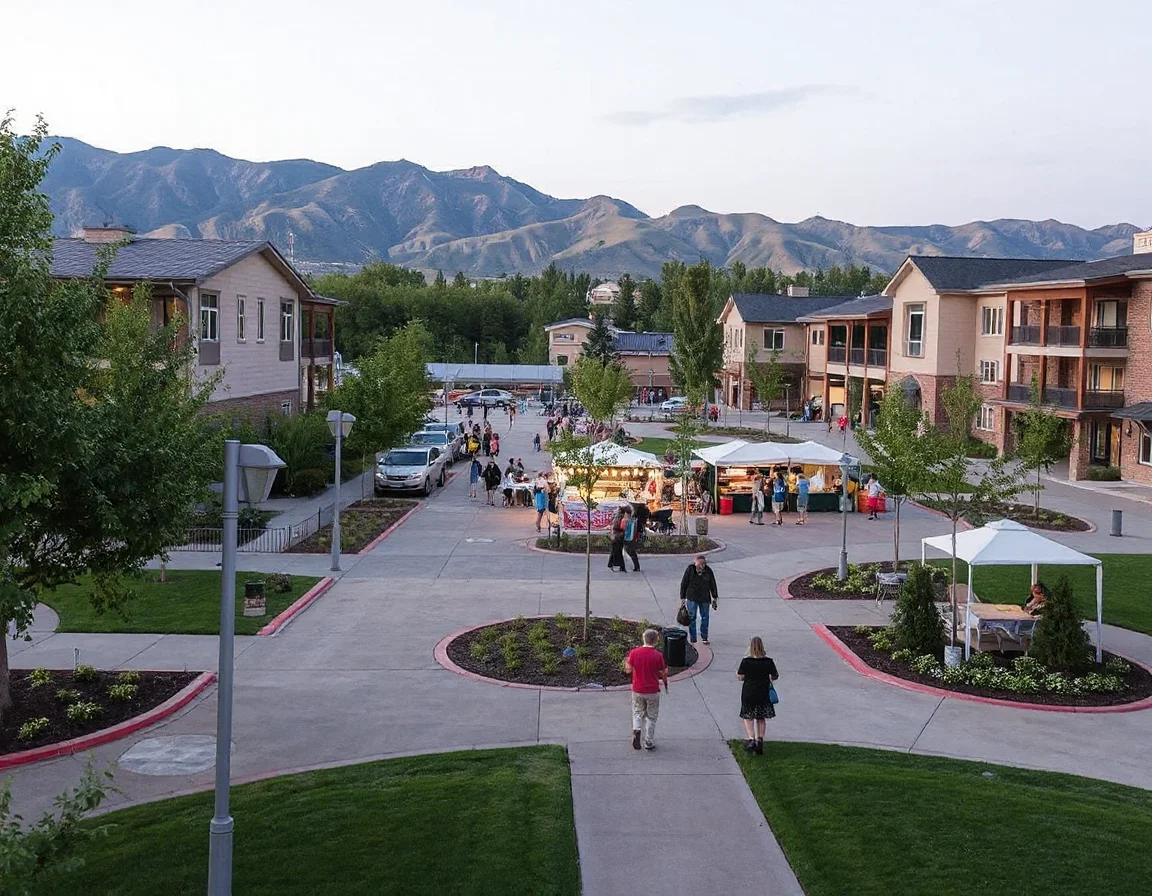
Dining in and around Lehi ranges from quick weekday options to sit-down meals, bakeries, dessert stops, and international cuisine. The most useful approach is to think in terms of your regular routine. Someone who enjoys a morning coffee run may prioritize a different location than someone who wants easy access to a grocery store, fitness studio, hardware store, or takeout on a busy evening. Exploring at different times of day can reveal traffic patterns, parking availability, and how active an area feels when people are actually using it.
Thanksgiving Point’s surrounding districts are a common destination for dining, entertainment, seasonal events, and retail browsing. Other choices extend along Lehi’s main corridors and into neighboring communities such as American Fork, Saratoga Springs, and Draper. Because the region is interconnected, a home search does not need to be limited to the closest commercial center. Instead, it can help to make a short list of the services and destinations you use most and test-drive the routes from each neighborhood under consideration.
New construction is also a continuing part of Lehi’s housing landscape. Buyers considering a newly built home may want to look beyond the model-home visit and ask practical questions about planned roads, current construction activity, utility details, HOA documents where applicable, landscaping timelines, and the location of future commercial development. A home can feel very different once surrounding lots are completed, so reviewing available plans and disclosures is a valuable part of the decision process.
Understanding Lehi Commute Options
Lehi’s position along Interstate 15 is central to its appeal for people traveling between Utah County and Salt Lake County. I-15 provides the primary north-south connection, while State Street, Pioneer Crossing, and local arterial roads create additional routes depending on where a trip begins and ends. A commute that looks short on a map can vary considerably by departure time, weather, road work, and events, particularly around major interchanges.
For rail commuters, the Lehi Station on the FrontRunner line offers a public transportation option for trips north toward Salt Lake County and south through Utah County. UTA bus connections and park-and-ride options may add flexibility, though schedules and service patterns should be confirmed directly with UTA before making transportation plans. For some people, a mixed routine works well: driving on certain days, using rail when schedules align, and arranging errands around the route home.
Remote and hybrid work have also changed the meaning of “commute” for many households. In that case, it may be useful to evaluate more than travel time. Consider the reliability of internet options, the availability of a workable office or flex space, proximity to daily errands, and how easily the home connects to parks, trails, or other places for a midday break. These practical details can shape how a location supports an everyday routine.
A thoughtful visit should include a drive during the time you would normally travel, not just a weekend showing. Try the route to work, a frequently used destination, or the nearest transit station. Notice turning movements, school-zone timing where applicable, road noise, and the time it takes to reach the services you use most. That firsthand context can be more valuable than a mileage estimate alone.
Bringing Location and Home Search Together
Lehi offers an evolving blend of established areas, newer development, regional recreation, and transportation access. No single part of the city fits every preference, which is why a focused search starts with the routines that matter most to you: trail time, access to amenities, the type of home you prefer, commuting needs, and your comfort with ongoing growth in certain areas.
As you compare properties, keep a simple notes list after each visit. Record drive times, nearby amenities, lot orientation, views, construction activity, and the features that stood out. Pairing those notes with current listing information can help turn a broad interest in Lehi into a clearer, more confident set of choices.
The best way to understand Lehi is to experience it in motion. Walk a trail, visit a local gathering area, run an errand, and take the route you would use on an ordinary weekday. Those small observations can offer a vivid picture of how a home’s location may work for your life long after move-in day.