
Before listing a South Jordan home, focus on improvements that make the property feel maintained, functional, and easy to move into. A few targeted updates—especially in kitchens, baths, paint, lighting, and curb appeal—can strengthen first impressions without turning the pre-sale process into a full renovation.
Start With the Updates Buyers Notice First
Remodeling before selling is less about creating a custom dream home and more about helping buyers see the home’s condition and potential quickly. In South Jordan, where buyers may compare established homes with newer construction and recently updated listings, dated finishes can stand out even when the layout, location, and square footage are strong. The most effective projects usually improve the spaces people inspect closely during a showing: the entry, kitchen, bathrooms, main living areas, and outdoor approach.
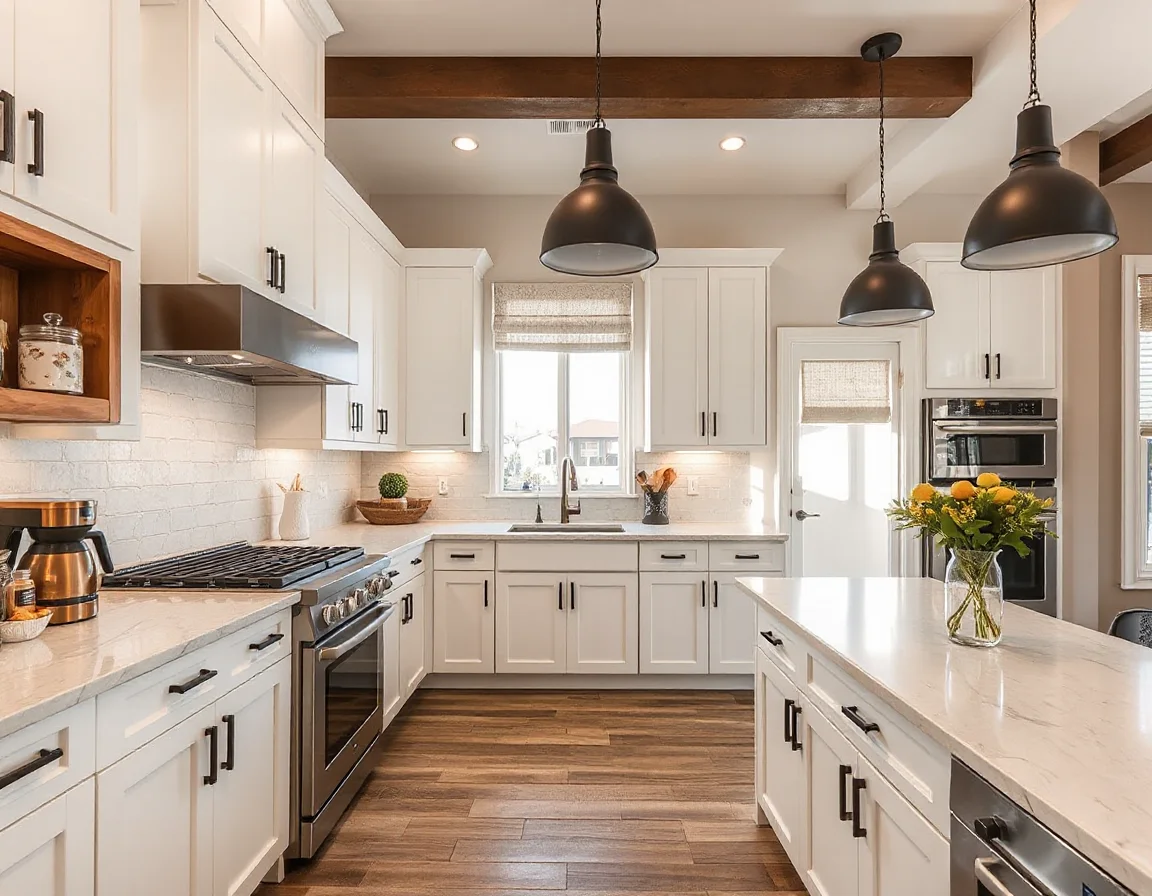
Fresh paint remains one of the most practical pre-sale investments. A cohesive, neutral palette can make rooms feel brighter and help buyers focus on the home’s architecture rather than touch-ups, scuffs, or strongly personalized colors. Prioritize visible areas first: entry walls, hallways, living spaces, kitchen walls, stairways, and primary bedroom areas. Repair nail holes, damaged trim, and worn caulk before painting so the result reads as well maintained rather than rushed.
Lighting is another high-impact detail that is often overlooked. Replacing mismatched fixtures, burned-out bulbs, dated ceiling lights, or worn switch plates can refresh a room without changing its footprint. Choose warm, consistent bulbs and make sure every fixture works before photography and showings. In rooms with limited natural light, updated lighting can improve the listing photos and make daytime appointments feel more inviting.
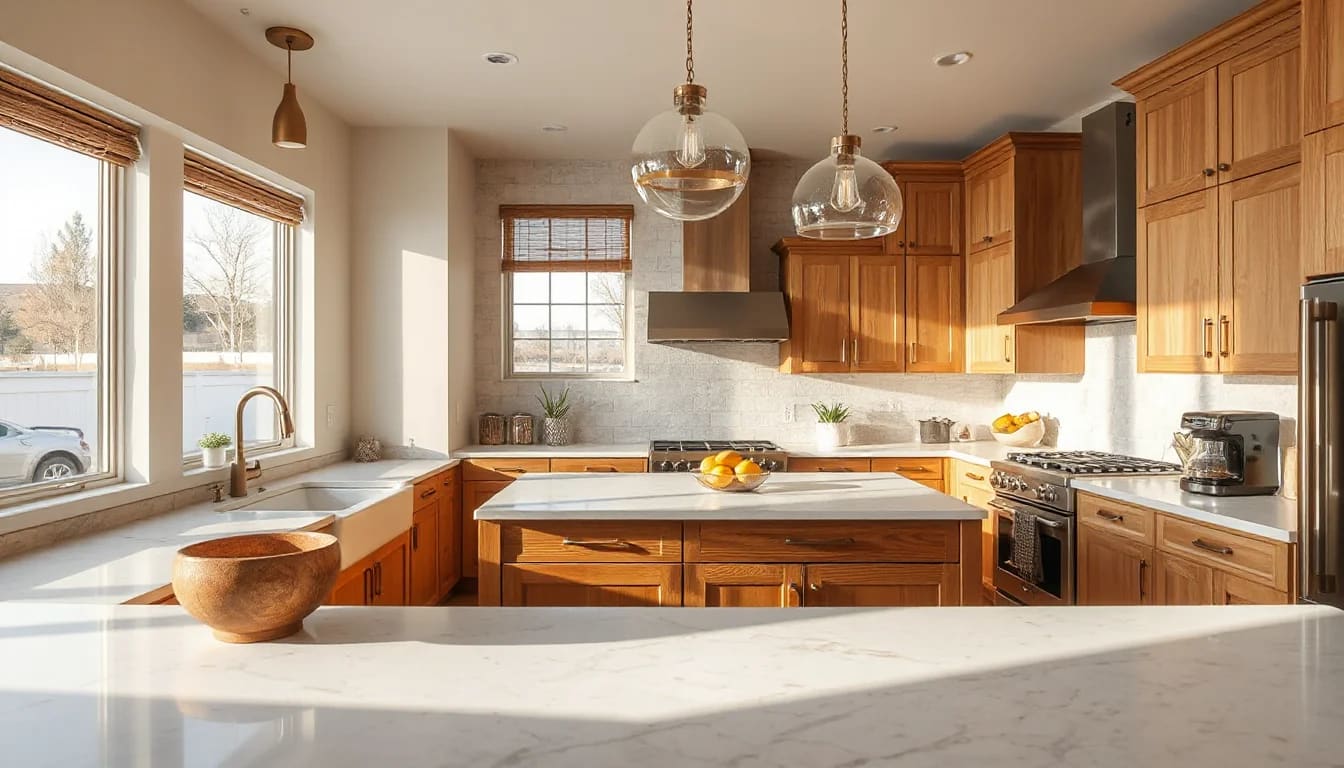
Kitchen remodels deserve a measured approach. A full redesign may not be necessary if the existing layout functions well. Instead, consider refinishing or painting cabinets, replacing damaged hardware, updating a tired faucet, repairing countertops, and installing a coordinated backsplash where appropriate. Buyers often respond to a kitchen that looks clean, organized, and cared for—even if every finish is not brand-new.
If a major project cannot be completed before listing, do not start it simply to chase a trend. Finished, polished, and functional usually creates a stronger impression than a partially completed renovation.
Bathrooms: Small Improvements Can Change the Entire Read
Bathrooms are compact spaces, which makes condition especially visible. Grout lines, caulk, fixtures, mirrors, vanity lighting, and cabinet hardware all receive close attention. Regrouting tile, replacing stained caulk, repairing a running toilet, refreshing a vanity top, or installing a simple new mirror can make a substantial difference without requiring a full gut renovation.
Keep material choices coordinated with the rest of the home. For example, if the kitchen has brushed nickel or matte black hardware, repeating that finish in a bathroom can make the property feel more intentional. Avoid highly specialized colors or elaborate patterns that may narrow the visual appeal. The goal is a clean, durable presentation that lets buyers imagine how they would use the room.
It is also worth addressing maintenance items that can distract from a remodeled space. Slow drains, loose towel bars, cracked outlet covers, moisture-stained ceilings, noisy bath fans, and peeling cabinet finishes suggest deferred upkeep. Even small repairs can help a buyer spend more time considering the home’s features rather than calculating a list of immediate tasks.
Get a home valuation before planning updates
Put Curb Appeal and Everyday Function at the Top of the List
The exterior creates the first impression long before a buyer reaches the front door. South Jordan’s changing seasons can be tough on landscaping, exterior paint, irrigation components, and walkways, so a focused exterior check is a smart part of seller preparation. Remove clutter, trim overgrown plants, edge planting beds, refresh mulch or rock where needed, and make sure the approach to the home looks tidy and accessible.
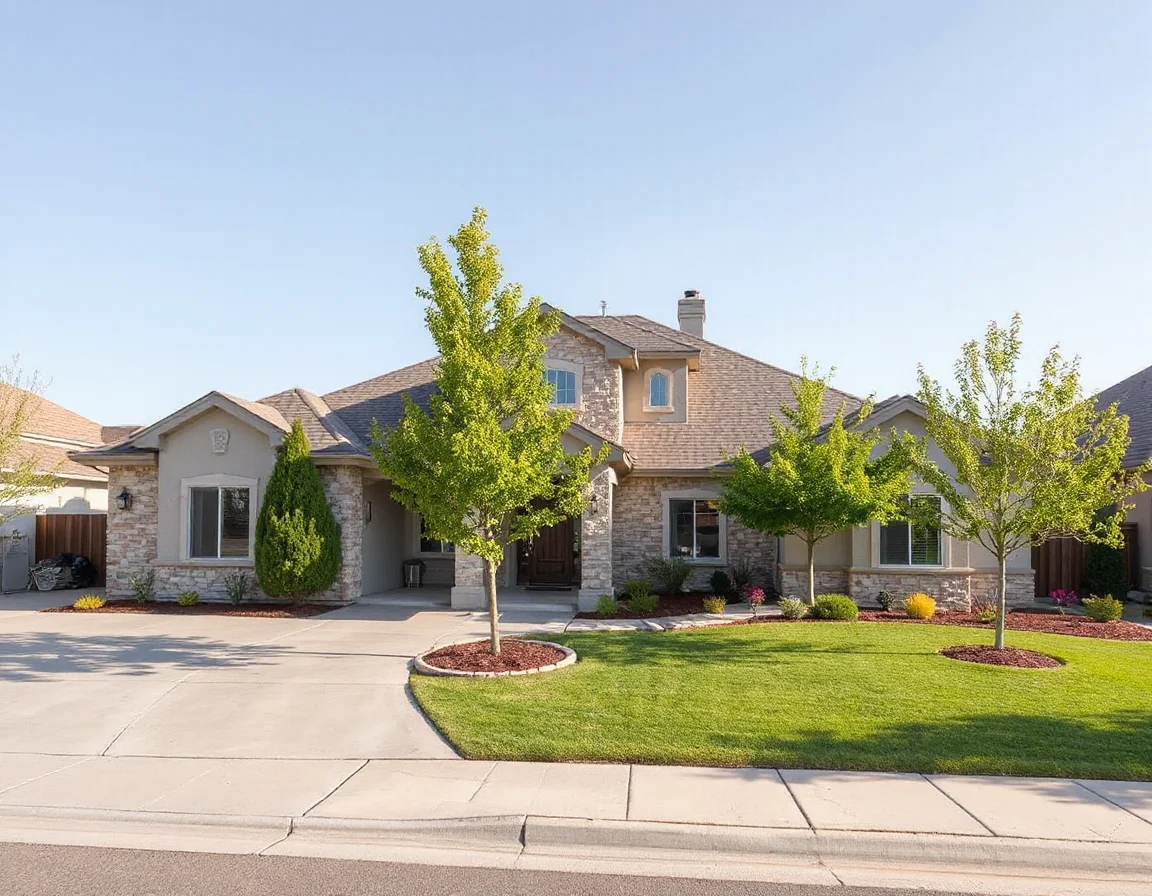
A new front-door color can be effective when it fits the home’s exterior palette, but maintenance comes first. Touch up peeling paint, clean windows, repair loose house numbers, replace a worn welcome mat, and confirm that porch lights and door hardware work properly. If the garage door is scuffed or faded, cleaning or repainting it may deliver more value than adding decorative details. These tasks communicate care before buyers ever enter the property.
Inside, pay close attention to high-use surfaces. Worn flooring, heavily stained carpet, damaged baseboards, and broken blinds can make an otherwise updated home feel unfinished. Professional carpet cleaning may be enough in some cases; in others, replacing visibly worn flooring in key areas can be worth considering. The right decision depends on the home’s price range, the condition of nearby competing listings, and whether a replacement will create a consistent look across connected spaces.
Mechanical systems do not always create dramatic listing photos, but they matter during inspections. Service an HVAC system if it is due, replace filters, correct obvious leaks, test smoke and carbon monoxide detectors, and organize documentation for recent repairs or upgrades. Buyers appreciate clear information about a home’s ongoing care, particularly when it includes a roof, water heater, appliances, windows, or energy-related improvements.
Choose Projects With a Clear Selling Strategy
Before approving any contractor estimate, compare the scope of the project with the likely competition. A home surrounded by recently built properties may benefit from modernizing a few visible finishes, while a well-kept home in an established area may only need cleaning, repairs, and thoughtful staging. The right plan is not identical for every property. It should reflect the home’s current condition, anticipated list price, available timeline, and the active inventory buyers will be viewing at the same time.
Avoid over-improving beyond the property’s likely market position. Installing premium materials throughout a home can be personally rewarding, but a seller may not recover every dollar spent if the upgrades exceed what buyers expect from comparable homes. In many cases, a balanced package of repairs, paint, lighting, cleaning, and a few strategic finish updates produces a stronger result than one expensive remodel.
The best pre-sale budget often begins with repairs, then presentation, then selective upgrades. That order helps ensure money is spent on the items most likely to affect buyer confidence.
Prepare the Home for Photos, Showings, and Inspection
Once improvements are complete, shift from renovation mode to presentation mode. Store excess furniture, clear kitchen counters, remove personal collections, and open window coverings to emphasize light and usable space. A clean garage, organized utility area, and uncluttered closets can be just as persuasive as a refreshed kitchen because they show how the home functions day to day.
For sellers considering a larger update, timing matters. Construction delays, supply changes, and contractor schedules can create pressure if a home needs to be listed quickly. A detailed walkthrough before starting work can help separate essential repairs from projects that may be better handled through pricing, disclosure, or a buyer’s future plans. The objective is a confident, accurate presentation—not a renovation marathon.
Thoughtful improvements can help a South Jordan property compete with clarity and polish. By concentrating on condition, visible maintenance, neutral finishes, and the rooms buyers notice most, sellers can create a home that photographs well, shows well, and gives prospective buyers a clearer sense of its value from the first visit.