

Saratoga Springs offers a Utah Lake setting with neighborhood parks, growing trail connections, golf, and practical access to the employment centers of Utah County. Before choosing a home here, it helps to look beyond a map pin: compare your regular routes, explore recreation close to each neighborhood, and see how nearby dining and daily services fit your routine.
A West Shore Setting with Room to Explore
Set along the northwest edge of Utah Lake, Saratoga Springs combines broad Wasatch Front views with a residential landscape that has continued to evolve through new construction and established neighborhoods. The city’s location creates a different rhythm from communities farther east along the I-15 corridor: lakefront open space, foothill vistas, and routes that connect toward Lehi, American Fork, Eagle Mountain, and the wider Salt Lake Valley.

The community is often discussed in terms of growth, but the day-to-day appeal is more tangible: a morning walk with open views, an evening round at TalonsCove Golf Club, or time outside at one of the local parks. Neptune Park, Patriot Park, and other city-managed recreation spaces provide lawns, play areas, sports facilities, and gathering points that are useful for many kinds of routines. Amenities and seasonal programming can change, so the city’s current parks and recreation information is worth checking when comparing specific areas.
For buyers considering a newer home, it is useful to look at how the surrounding streets are laid out rather than focusing only on the home itself. Sidewalks, trail connections, slopes, driveway orientation, nearby open space, and access to main roads can all shape how a property feels over time. New construction can offer current finishes and energy-conscious systems, while established homes may offer completed landscaping and a clearer picture of the neighborhood’s everyday pattern.
A short drive can feel very different at 7:30 a.m. than it does on a weekend afternoon. Test the routes you expect to use most often before narrowing your home search.
Saratoga Springs also sits close to the changing shoreline environment of Utah Lake. Water levels, access points, and conditions vary by season and year, but the lake remains an important visual feature and a reminder that outdoor plans here are connected to the regional landscape. Whether you prefer a quick walk, a golf outing, or an unhurried drive along the west side of the lake, the setting adds an element that is difficult to capture in listing photos alone.
Parks, Trails, Golf, and Outdoor Time
Outdoor recreation is woven into the local geography. City parks provide the most convenient option for a casual stop close to home, while trail networks and public open spaces create opportunities to cover more ground. Many streets and newer developments include sidewalks or paved paths, though continuity can vary from one area to another. Reviewing a trail map and walking the actual connection is the best way to understand whether it works for your preferred route.
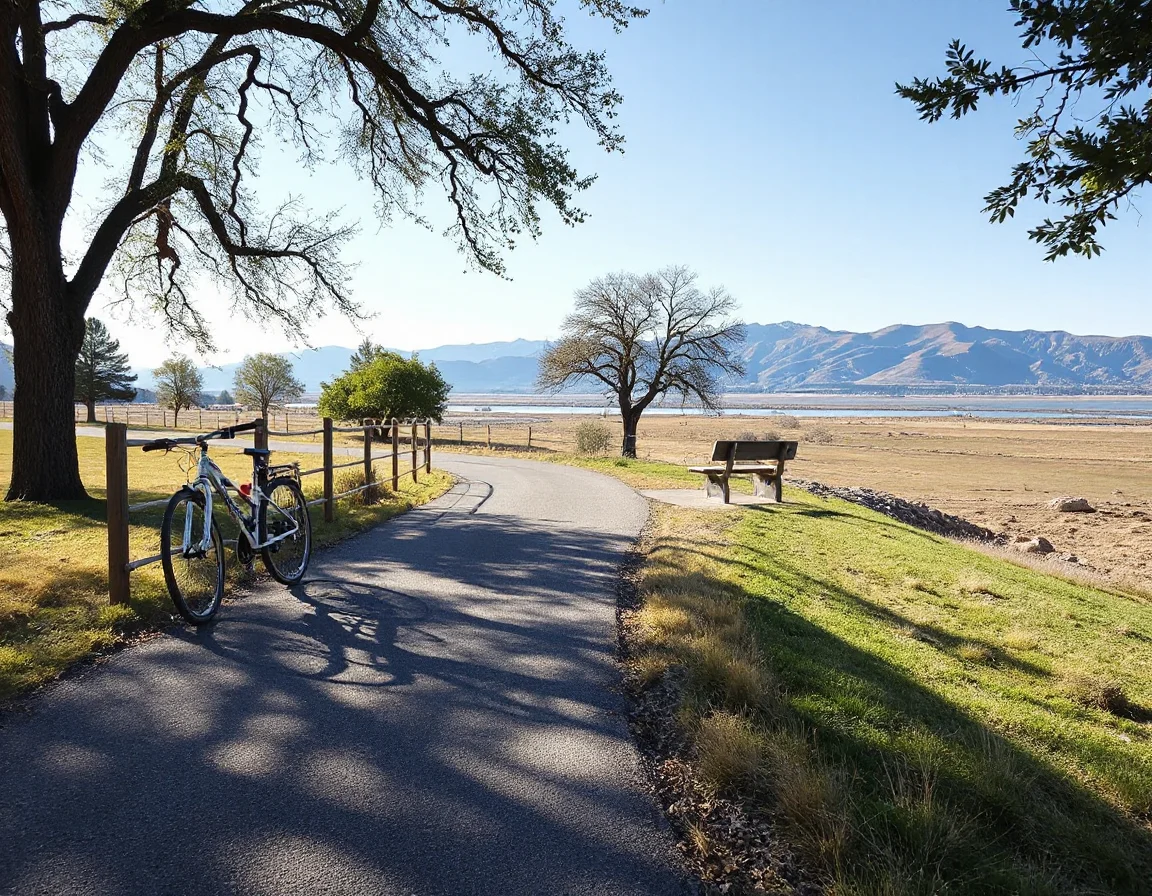
The Utah Lake shoreline and west-side trail corridors give the area a notably open feel. Conditions along shoreline paths can be affected by weather, maintenance schedules, and lake levels, so footwear and route planning matter. For cycling, walking, and running, the most practical approach is to identify a few nearby access points and try them at the time of day you would realistically use them. That small bit of research can reveal shade patterns, wind exposure, parking availability, and road-crossing conditions.
TalonsCove Golf Club is another recognizable local destination, with a course that takes advantage of the lake-and-mountain backdrop. Even for those who do not play regularly, the course contributes to the area’s open visual character. Nearby communities also expand the recreation menu, from regional trails and mountain access to Utah Lake activities when conditions and regulations permit.
Seasonality matters in every Wasatch Front community. Summer days can bring strong sun and lake breezes, autumn often offers clear views and comfortable trail weather, and winter travel may require extra attention during storms or freeze-thaw cycles. A home search in Saratoga Springs is an opportunity to consider practical details such as garage space, storage for recreation gear, patio exposure, and how the lot handles snow and runoff.
Dining and Everyday Errands Beyond the Front Door
Saratoga Springs has a growing selection of places for a casual meal, coffee, groceries, and services, while nearby Lehi, American Fork, and other Utah County communities broaden the options considerably. This is useful to keep in mind when evaluating location: some homes may be close to neighborhood conveniences, while others trade proximity for a more open setting or different views.
Rather than relying on a general description of “nearby,” create a realistic errand list. Map the grocery store, pharmacy, fitness location, medical office, recreation destination, and the places where you like to meet friends or pick up dinner. Run that list from each neighborhood you are considering. A five-minute difference on a map can become more noticeable when a route includes a busy intersection, school-zone traffic, or a trip across the lake corridor during peak hours.
The wider Utah County dining scene is particularly accessible from Saratoga Springs, with Lehi and American Fork offering additional independent and familiar options. For a relaxed evening, the choice may be close to home; for a larger selection, a short drive opens more possibilities. This blend of local convenience and regional access is one reason buyers often compare several west and north Utah County communities before deciding where their preferred daily pattern fits best.
Commute Facts to Check Before You Buy
Commute planning is one of the most important pieces of the Saratoga Springs picture. The city connects toward Lehi and the I-15 corridor through routes including Pioneer Crossing and other regional arterials, while travel toward Eagle Mountain and the west side of Utah Lake follows a different pattern. Road projects, construction, weather, and peak-hour congestion can all influence the experience, especially as the region continues to add homes and employment space.
For many destinations in Lehi and northern Utah County, the drive is often more direct than a trip farther north into Salt Lake County. Trips to Salt Lake City generally require more time and are more sensitive to I-15 conditions. If transit is part of your plan, check current UTA bus routes, park-and-ride options, and connections to FrontRunner stations rather than assuming service is available from every neighborhood. Schedules and route coverage can change.
A useful home-search habit is to make a “three-route test.” Drive from a prospective neighborhood to your workplace or frequent destination during a typical morning, return during a typical evening, and take the same route once on a weekend. Notice not just the travel time, but also turning movements, roadway lighting, construction zones, fuel stops, and how comfortable the route feels in different conditions.
The right Saratoga Springs home is not simply about square footage or finishes. It is about how the home supports the routes, recreation, views, and conveniences that matter to you. By pairing a close look at listings with on-the-ground exploration, you can make a more informed decision about where in this growing Utah Lake community you want to put down roots.