

If you are tracking Eagle Mountain real estate, the two numbers that matter most right now are price direction and available inventory. When inventory rises, buyers usually gain more negotiating room; when supply tightens, sellers often see stronger competition and faster decisions. Understanding how those shifts work together can help you time a move, price a home more strategically, and avoid reacting to headlines without context.
Why inventory matters as much as price
Market conversations tend to focus on sale prices, but inventory is often the force shaping what those prices do next. In Eagle Mountain, where new construction and resale homes can both influence buyer choices, the number of active listings on the market can change the feel of a transaction quickly. A neighborhood with limited available homes may create more urgency, while a larger selection can encourage buyers to compare options more carefully and negotiate repairs, closing costs, or price adjustments.
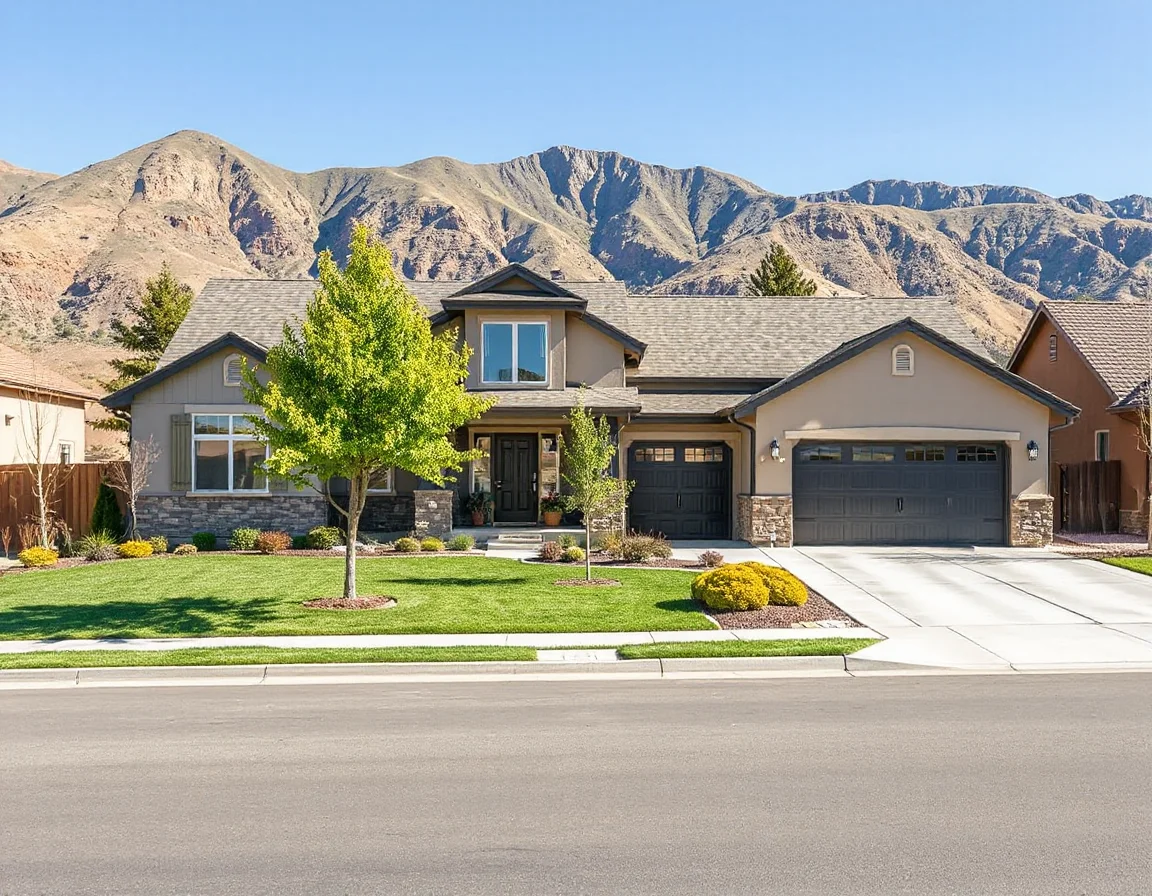
That is why a rising median price does not always mean conditions are difficult for buyers, and a price adjustment does not automatically signal weakness for sellers. If inventory is climbing at the same time, buyers may have more leverage even if values remain relatively steady. On the other hand, if inventory is shrinking, well-prepared listings can still attract strong interest even during a period when price growth is slowing.
For anyone making a move, it helps to watch not just what homes list for, but how long they remain available, whether price reductions are becoming more common, and how many comparable homes are competing in the same range. Those details often reveal more than a simple average sale price can.
A market can feel very different at $500,000 when there are five competing listings than it does at the same price point with twenty competing listings. Supply changes the tone of every negotiation.
What buyers should watch in Eagle Mountain
For buyers, the biggest mistake is assuming every week feels the same. In a community with ongoing development and a mix of newer housing stock, inventory can shift by season, builder activity, and mortgage rate changes. When more listings hit the market, buyers may have a better chance to compare floor plans, lot sizes, finishes, and seller concessions without rushing into the first workable option.
That added choice can be especially important if you are considering both resale homes and new construction. Builders may respond to slower traffic with incentives such as closing cost assistance or design credits, while resale sellers may stand out by pricing more competitively or preparing the home more thoroughly before launch. Looking at both segments side by side gives a clearer picture of true value.
Search Eagle Mountain listings
Buyers should also pay attention to days on market. If listings are taking longer to sell, that can open space for inspections, financing contingencies, and more deliberate decision-making. If homes are still moving quickly despite more inventory, that is a sign demand remains active, particularly for updated homes in popular price brackets. The goal is not to predict the exact bottom or top of the market, but to understand whether conditions are becoming more flexible or more competitive.
What sellers should watch before setting a price
For sellers, pricing based on last season's highest sale can be risky if inventory has expanded since then. More available homes mean buyers can be choosier, and the best-looking listing is often the one that wins attention first. In Eagle Mountain, where newer properties may compete directly with homes built only a few years earlier, presentation and pricing need to work together from day one.

A seller entering a market with more choices should study the active competition as closely as the closed sales. Closed sales tell you where the market has been, but active listings show what buyers are seeing right now. If nearby homes offer similar square footage, upgraded kitchens, or better lot positioning, your asking price has to reflect that comparison in real time.
Condition matters just as much. Clean photography, pre-listing repairs, and a polished first impression can help prevent a listing from blending into a crowded field. If inventory is tight, the market may forgive minor presentation issues. If inventory is building, details such as paint touch-ups, landscaping, and staging become more influential.
When supply increases, the first two weeks on market usually matter even more. Strong presentation and a realistic launch price can reduce the chance of needing a visible price cut later.
How new construction affects local trends
One of the most important factors in Eagle Mountain is the presence of new construction. That creates opportunity, but it also adds complexity when reading the market. A resale homeowner is not only competing with similar existing homes; in some cases, they are also competing with builder inventory, spec homes, and incentive packages that can shift monthly.
That does not mean resale homes are at a disadvantage. Existing homes may offer mature landscaping, completed window coverings, fenced yards, or upgrades that are costly to add after a new build purchase. Buyers often compare total move-in readiness, not just base price. Sellers who understand that comparison can market their home more effectively and price with stronger logic.
For buyers, this also means market data should be read carefully. A jump in average sale price might reflect larger new builds closing that month rather than a broad rise across all home types. Looking at price per square foot, list-to-sale price ratios, and the spread between builder and resale options provides a more useful snapshot than one headline number alone.
Reading the market with a longer lens
Short-term shifts can create noise, especially in a place where growth, rates, and seasonal listing patterns all play a role. A single month of higher inventory does not necessarily signal a dramatic correction, just as one weekend of multiple offers does not guarantee a runaway seller's market. The more helpful question is whether trends are building over time: Are listings accumulating? Are reductions becoming more common? Are buyers still acting quickly when a home is well-positioned?

Watching trends over several months usually produces better decisions than reacting to a single report. Buyers can identify when flexibility is improving and lock in a home that matches their goals without overextending. Sellers can spot whether urgency is fading and adjust before the listing becomes stale. In both cases, strategy beats guesswork.
Eagle Mountain remains a market where details matter. Price trends tell part of the story, but inventory trends often explain why the story is changing. Whether you are buying, selling, or comparing new construction with resale options, keeping an eye on supply, competition, and timing can help you move with more confidence and less stress.