
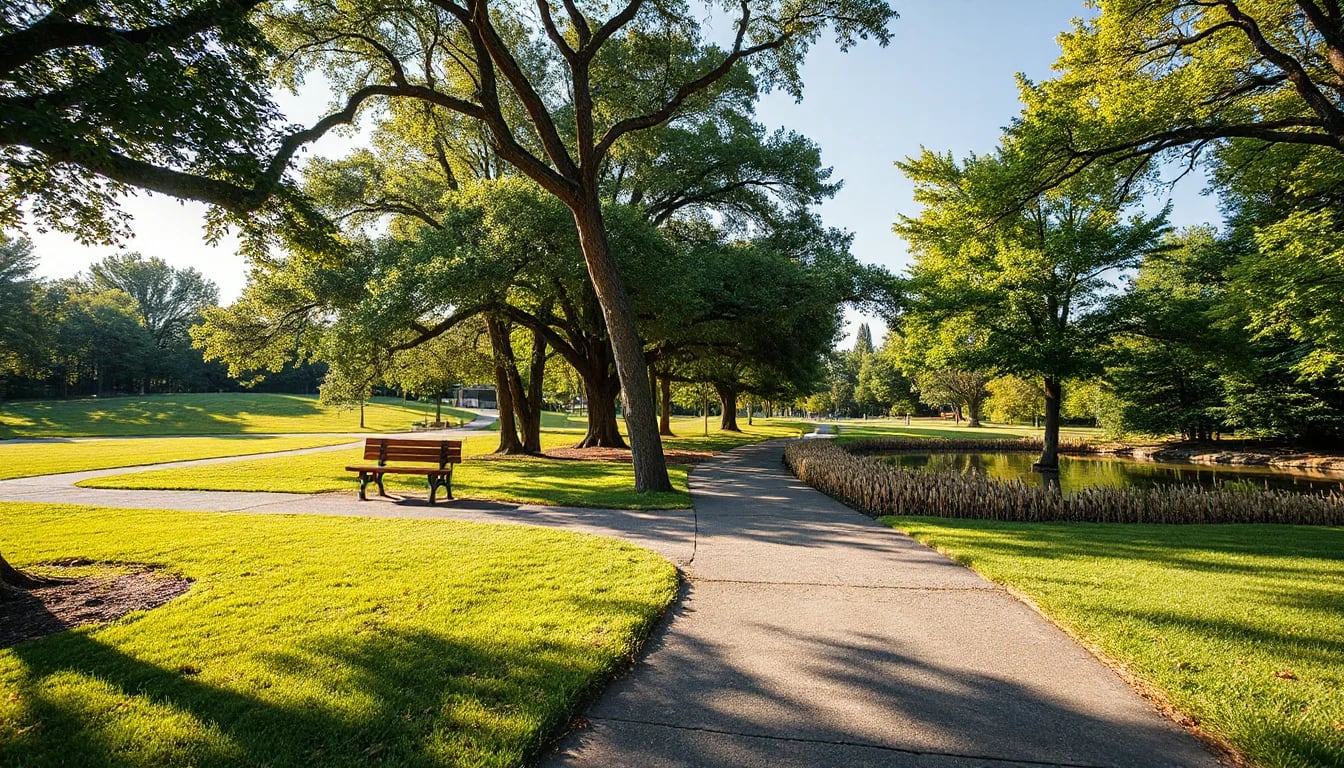
Sandy offers a practical mix of everyday convenience and mountain-edge recreation, which is exactly why it stays on so many buyers’ short lists in the Salt Lake Valley. From trail access and regional parks to dining clusters and TRAX commuting options, this overview highlights the local facts that matter when comparing homes and neighborhoods. If you want a clearer picture of how Sandy feels day to day, start here.
Why Sandy Draws Attention
Set along the southeastern side of the Salt Lake Valley, Sandy combines established residential areas, newer development pockets, retail hubs, and fast access to outdoor recreation. The city’s layout makes it easy to notice the contrast: one moment you are near shopping, dining, and major roads, and the next you are looking toward the Wasatch foothills and trailheads. That balance is a big reason many home buyers continue to explore the area when they want a location with both practical convenience and a strong sense of place.
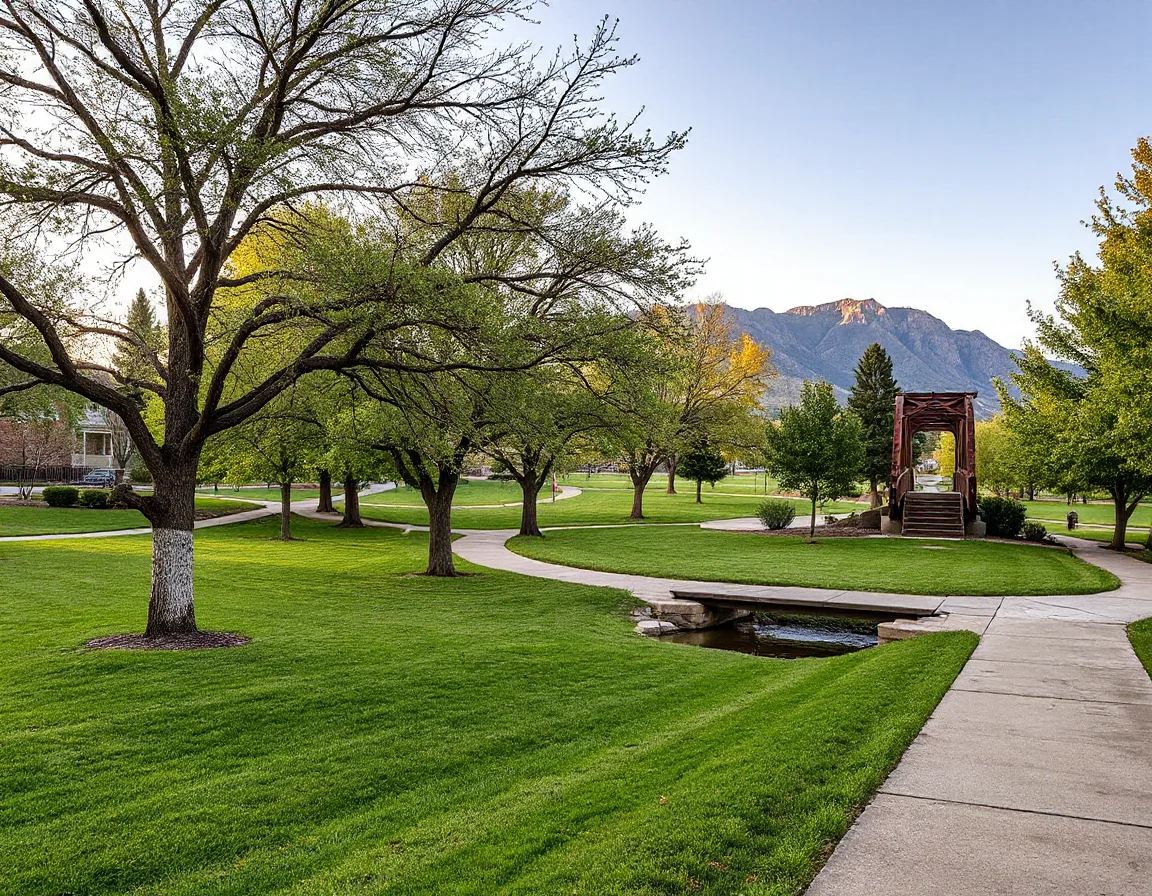
For people moving within the metro or arriving from outside the area, Sandy often stands out because it offers multiple ways to structure daily life. Some residents prioritize proximity to the I-15 corridor for commuting. Others focus on access to the TRAX Blue Line, the retail concentration near 10600 South, or the easier reach to Big and Little Cottonwood canyon routes. Instead of feeling isolated from the rest of the valley, the city functions as a connected base with a broad range of services and recreation nearby.
The housing mix also adds to its appeal. Buyers can find condos, townhomes, established single-family homes, and pockets of newer construction depending on budget and location. That variety means Sandy is often worth a closer look for anyone comparing space, commute patterns, and access to amenities rather than searching for just one home style.
In Sandy, small differences in location can noticeably change the daily routine. A home near TRAX or I-15 may feel very different from one closer to the foothills, even when both are within the same city.
Parks, Trails, and Outdoor Access
One of Sandy’s strongest advantages is how easy it is to spend time outdoors without leaving the city. Dimple Dell Regional Park is the standout name many buyers recognize first, and for good reason. Its system of trails, open natural space, and equestrian-friendly character gives this part of the valley a more expansive feel than many people expect. Homes near the park can offer quick access to walking, running, and scenic views while still remaining close to everyday errands.
Beyond Dimple Dell, the city includes neighborhood parks, sports fields, playgrounds, and paved paths that support a wide range of routines. It is common for buyers to compare not only lot size and floor plan, but also how close a property sits to green space or trail connections. In a market where usable outdoor access can shape how a home feels over time, those details matter.

Another practical advantage is Sandy’s position for reaching larger outdoor destinations. The drive toward canyon recreation, ski areas, and mountain trail systems is part of the city’s long-term appeal. Even buyers who are not planning every weekend around recreation often appreciate having the Wasatch range visible and accessible. That kind of proximity can influence not just lifestyle, but also how consistently a location holds interest over time.
When touring homes, it helps to pay attention to more than just map distance. Sidewalk connections, traffic flow at busy times, and how quickly you can get from a subdivision to a trail entrance or regional road can make a noticeable difference in day-to-day use.
Trail access in Sandy is not one-size-fits-all. Some areas offer quick neighborhood path connections, while others trade that convenience for easier freeway access or proximity to major shopping corridors.
Dining, Shopping, and Everyday Convenience
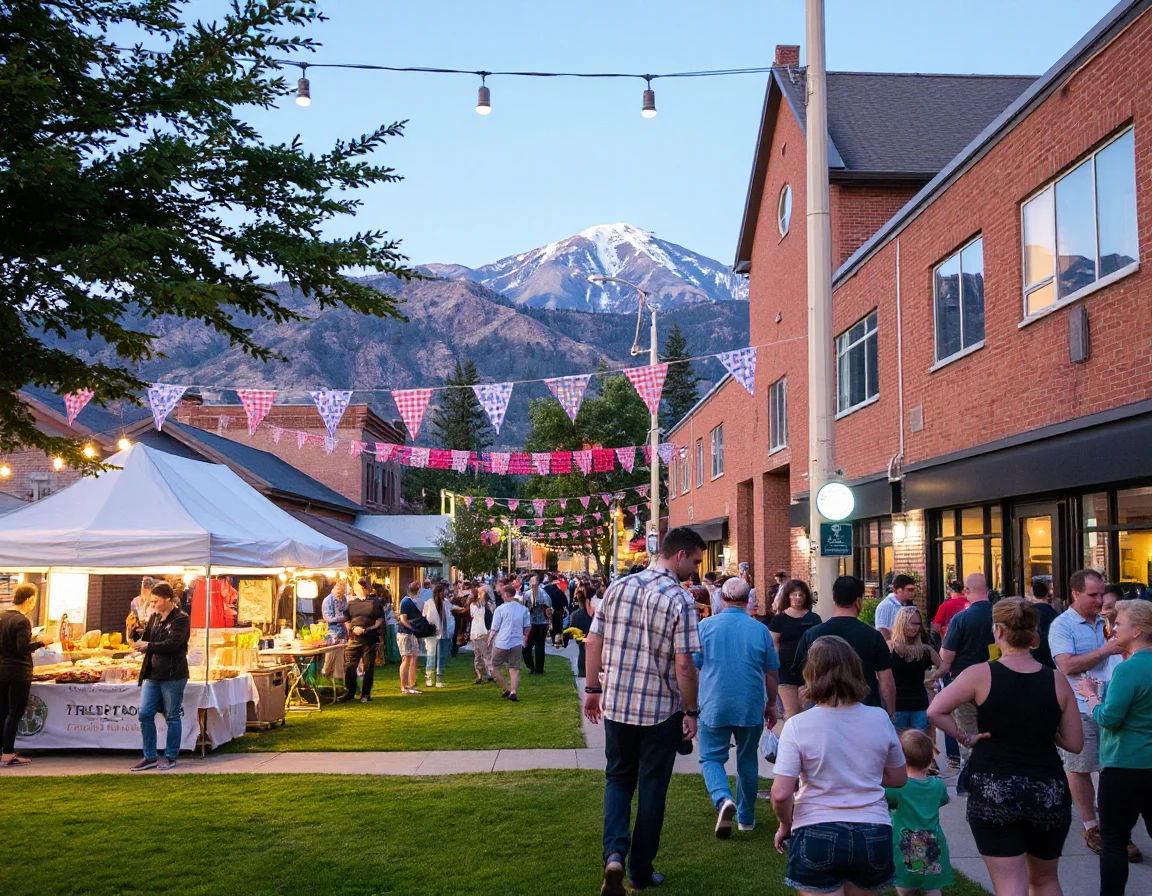
Sandy is not just about parks and views. It also performs well in the category that often determines whether a location stays convenient after move-in: daily errands. Grocery options, fitness studios, coffee spots, casual dining, and larger retail centers are spread across the city, with heavier concentrations near major roads and commercial corridors. That makes it easier to choose between a quieter residential setting and a location that keeps errands close at hand.
Dining options range from quick local staples to familiar regional and national names, giving residents a useful mix rather than a single concentrated entertainment zone. The result is a city where routines can stay efficient. Whether someone wants a simple weeknight takeout option, a place to meet friends, or easy access to larger shopping destinations, Sandy generally offers those choices without requiring a long cross-valley drive.
For buyers, this matters because convenience affects how a home functions after the initial excitement wears off. A beautiful house can feel less practical if every errand adds time to the day. In Sandy, many neighborhoods benefit from being close enough to services to simplify regular routines while still preserving access to parks, schools, and recreation.
Commuting Facts and Getting Around
Commuting is one of Sandy’s strongest practical selling points. The city benefits from access to Interstate 15, which helps connect residents to downtown Salt Lake City, central valley employment areas, and destinations farther south. For many households, being able to choose between freeway access and transit options is a meaningful advantage when comparing cities along the Wasatch Front.
The TRAX Blue Line adds another layer of flexibility. Buyers who prefer to reduce driving for some trips often look closely at station proximity, parking availability, and the ease of reaching platforms from nearby neighborhoods. Even for people who do not expect to use transit every day, having that option can widen the usefulness of a location over time.
Street layout also matters. Some areas of Sandy feel especially efficient because they connect quickly to major east-west routes, while others offer a more tucked-away setting with slightly longer drive times to retail or freeway entrances. During a home search, it is worth testing your likely routes at realistic times of day rather than relying on ideal map estimates. A ten-minute difference in morning traffic can affect how a neighborhood fits your priorities.
Another point buyers often appreciate is the city’s position relative to both urban and mountain destinations. From Sandy, a typical week can include office commuting, errands, dinner plans, and quick access to trailheads without requiring major geographic tradeoffs.
What Home Buyers Should Watch For
Because Sandy offers several distinct location advantages, the right fit often comes down to prioritizing tradeoffs clearly. Some buyers want foothill views and quicker access to open space. Others care more about transit, freeway convenience, or being near dining and shopping. In this market, a good search starts with a realistic list of daily-use priorities rather than broad assumptions about the city as a whole.
It also helps to compare neighborhood segments carefully. Price, lot size, home age, renovation level, and access to amenities can vary meaningfully from one part of Sandy to another. That is especially true if you are deciding between an established home with mature landscaping and a newer property with more current finishes. Neither is automatically better; the stronger choice depends on budget, maintenance preferences, and how you plan to use the home.
For buyers considering first-time ownership or new construction, Sandy can be a useful benchmark city even if you ultimately choose another nearby area. It gives a clear picture of what the valley offers when recreation, convenience, and commuting options intersect in one place. That makes it an important stop in the search process and a city worth evaluating with care.
In the end, Sandy earns attention because it delivers more than one headline feature. It is not only about trails, not only about commuting, and not only about shopping convenience. The appeal comes from how those elements work together, creating a city that feels functional on weekdays and rewarding on weekends.