How Salt Lake City Area Investment Properties Can Improve Long-Term ROI
Building Stronger Returns With Salt Lake City Area Investment Properties
Real estate investing in the Salt Lake City area often appeals to buyers looking for a long-view strategy rather than a quick win. This market combines economic activity, population growth, and a range of housing options that can support both rental demand and future resale potential. For investors who want to improve long-term ROI, the key is rarely a single dramatic move. More often, success comes from choosing the right location, understanding holding costs, and buying a property that can perform through multiple market cycles.
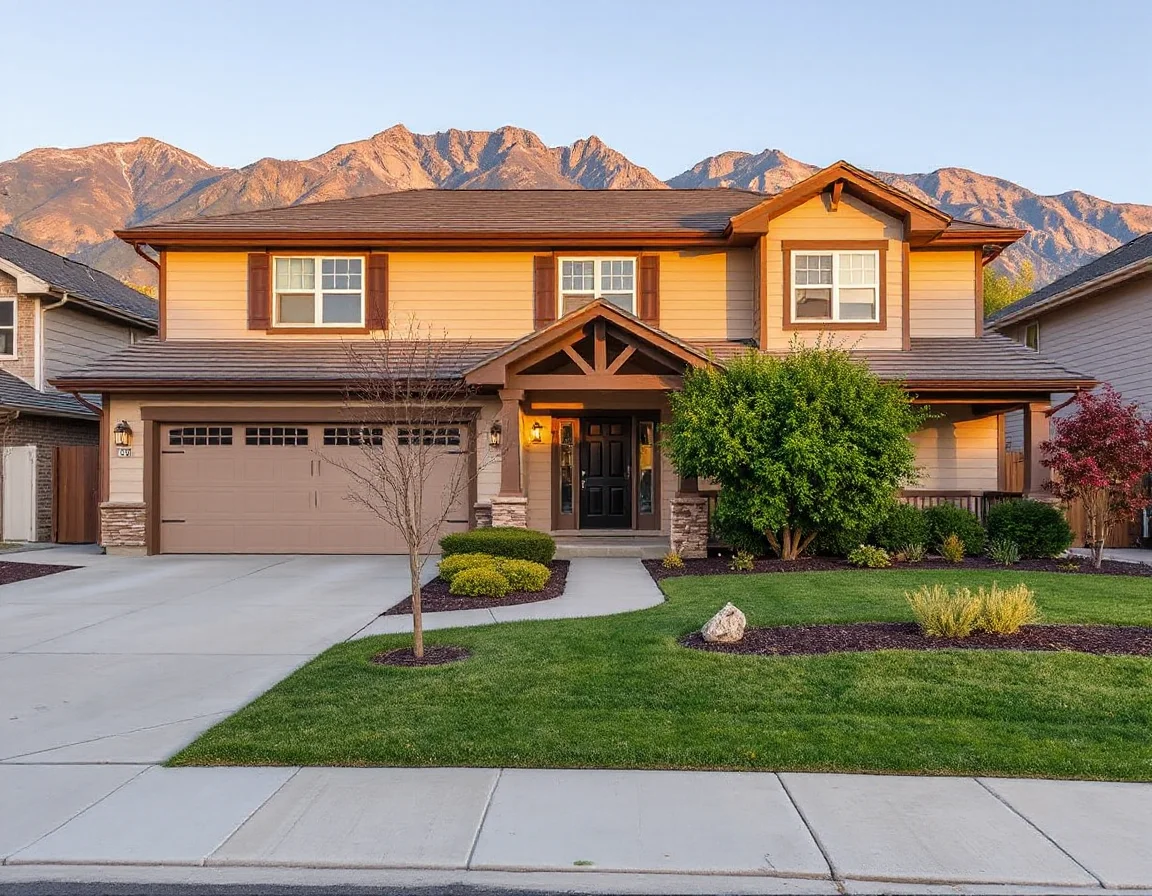
One reason this region stands out is its variety. Some submarkets offer proximity to employment centers and transit connections, while others provide newer housing inventory, expanding retail corridors, and room for long-term appreciation. That variety gives investors options based on goals: steady cash flow, lower maintenance through newer construction, or a property that may benefit from future redevelopment and neighborhood improvements. A thoughtful acquisition in the right pocket of the metro can create multiple paths to return, which is especially valuable when market conditions shift.
Cash flow matters, but durability matters more. A property with modest initial returns can outperform over time if it has lower repair needs, stronger tenant appeal, and consistent occupancy. In practical terms, that means evaluating roof age, HVAC condition, layout efficiency, parking, storage, and whether the home fits what the local rental market commonly seeks. An updated property in a well-connected location may command more attention than a cheaper asset that requires frequent capital expenditures. Long-term ROI improves when income is protected from surprise costs.
New construction can also play a meaningful role in an investment plan. For buyers focused on maintenance predictability, a newer home or townhome may reduce near-term expenses tied to major systems and deferred upkeep. That does not automatically make every new build the best investment, but it can improve forecasting. When investors know more about expected repairs, insurance considerations, and utility efficiency, they can model returns with greater confidence. In a market where holding a property for years is often part of the strategy, that stability can become a real advantage.
What Drives Long-Term ROI in This Market
Appreciation is only one piece of the equation. Stronger long-term ROI often comes from a combination of rent growth, manageable vacancy, smart financing, and improvements that add measurable value. In the Salt Lake City area, homes near transportation routes, employment centers, universities, recreation access, and established commercial districts may benefit from broader renter interest. The more functional and convenient the property is, the more resilient it can be when demand softens.
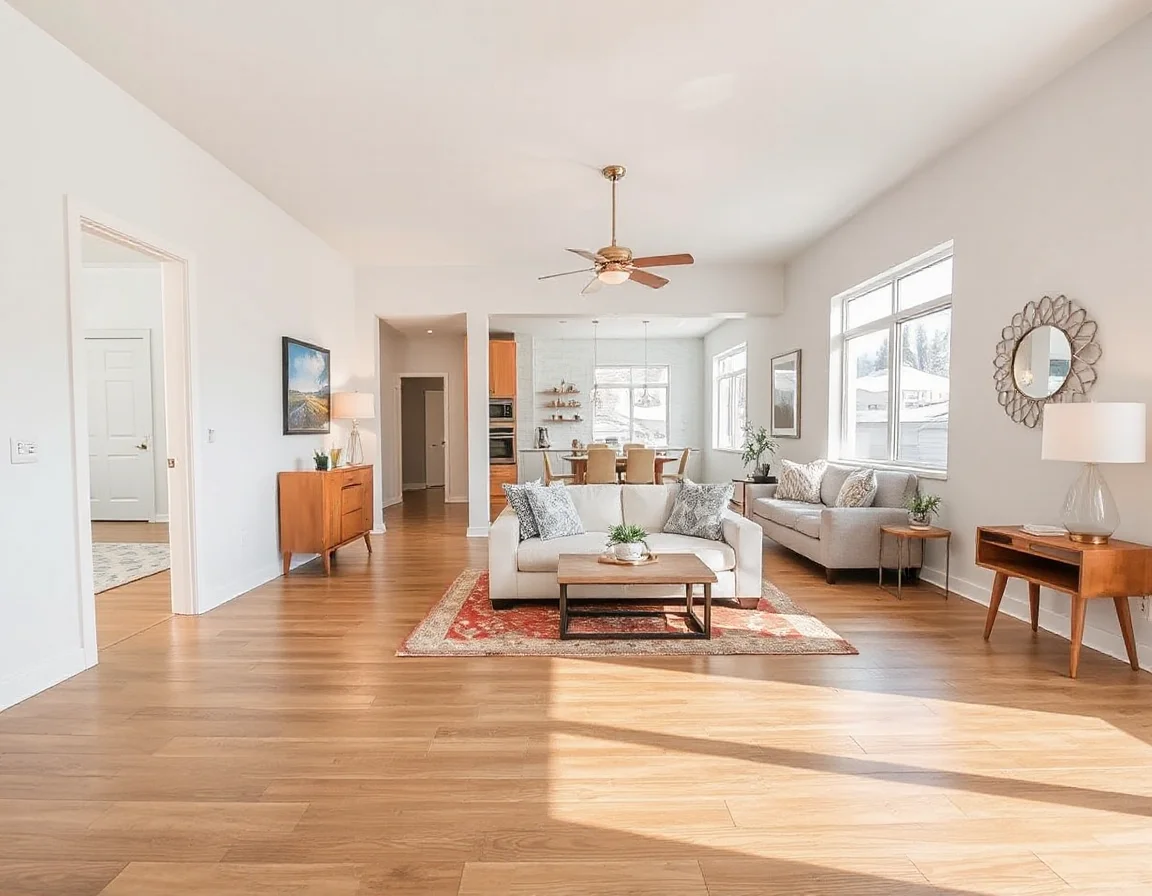
Investors should also watch the relationship between purchase price and renovation scope. A project that looks attractive on paper can lose momentum when timelines stretch or materials and labor cost more than expected. In many cases, a cleaner return comes from buying a property with solid fundamentals and making selective upgrades: flooring, lighting, kitchen hardware, paint, water-wise landscaping, or energy-efficient appliances. These improvements can enhance rentability and market perception without turning the property into an open-ended construction project.
Another often-overlooked factor is exit flexibility. A property that appeals only to one narrow type of buyer can limit your options later. By contrast, a well-located single-family home, townhome, or thoughtfully designed condo may attract future owner-occupants as well as investors, depending on market conditions. That flexibility can support pricing power when it is time to sell. It can also help reduce downside risk, because you are not relying on one buyer pool to make the numbers work.
Property management quality has a direct impact on ROI as well. Timely maintenance, careful lease execution, and responsive communication affect tenant retention and operating costs. Even a strong asset can underperform if turnover is high or repairs are handled reactively instead of strategically. Investors who treat management as part of the investment thesis, rather than an afterthought, often see better net results over time. A lower vacancy rate and fewer emergency repairs can add up quickly.
The financing side deserves equal attention. Interest rate structure, reserves, and debt service coverage all influence whether an investment remains comfortable to hold during changing conditions. A property that barely works at closing can become stressful if taxes, insurance, or maintenance costs rise. Long-term ROI improves when investors leave enough room in the numbers for routine surprises. Conservative underwriting is not flashy, but it is often what allows an investment to stay profitable over the full ownership period.
Choosing Properties With Staying Power
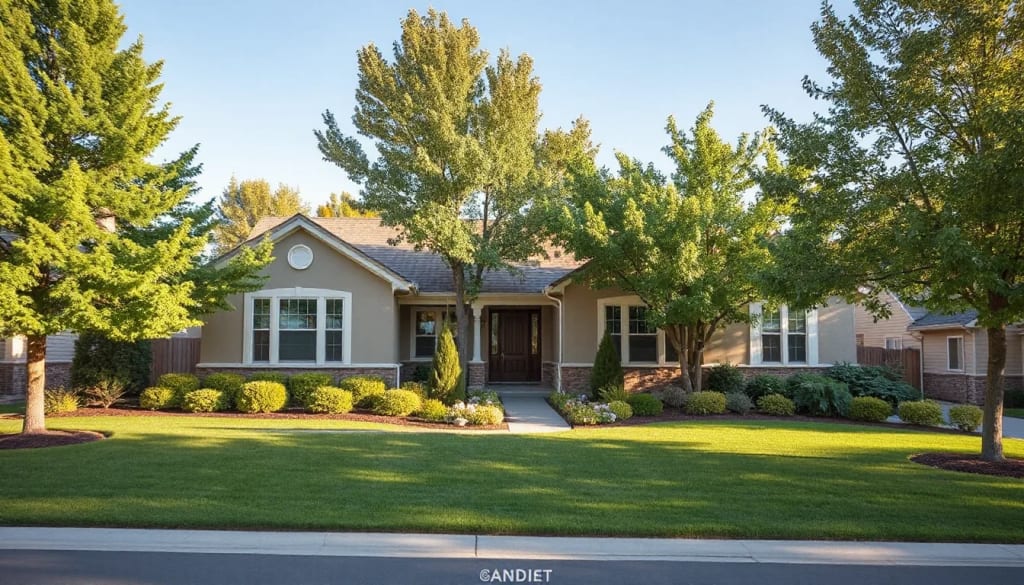
The homes that tend to age well as investments usually share a few traits: practical layouts, durable finishes, convenient access to daily needs, and locations with ongoing demand drivers. In the Salt Lake City area, that might include properties near major commuting corridors, university and medical employment nodes, outdoor recreation access, or established neighborhoods with a mix of housing styles and local services. These features do not guarantee performance, but they can support consistent interest from both renters and future buyers.
For investors entering the market for the first time, it may help to start with a straightforward property instead of the most complicated opportunity available. A clean, well-maintained home with predictable expenses can be easier to operate and easier to evaluate. That approach can be especially useful for buyers who are also comparing owner-occupied strategies, house hacking arrangements where permitted, or a future move-up plan that transitions a current residence into a rental. Simplicity can be a strength when building a portfolio foundation.

Working with a local real estate professional can sharpen that process. Market knowledge helps investors compare neighborhoods, identify where new construction is expanding, and understand how pricing differs between turnkey homes and value-add opportunities. It also helps with reading the details that influence returns but do not always stand out in a listing: HOA structure, rental restrictions, utility setup, lot characteristics, nearby development, and resale competition. Better information at the front end often produces better ROI at the back end.
Lori Chamberlain’s experience in residential real estate, including first-time buyers and new construction, can be particularly valuable for investors who want to understand the practical side of buying in this market. Whether the goal is a first rental, a low-maintenance newer property, or a home with room for strategic updates, a grounded approach can help buyers focus on the factors that support performance over years rather than months.
Ultimately, improving long-term ROI in the Salt Lake City area is about buying with purpose. Look for properties with sound fundamentals, realistic operating assumptions, and enough flexibility to remain useful as the market evolves. When purchase decisions are guided by durability, location, and careful planning, an investment property can become more than a line item on a spreadsheet. It can become a steady asset that grows in value, supports future opportunities, and rewards patience.