

Moving can be expensive, but it doesn’t have to break the bank. With some planning and strategizing, you can save significant money on your move. This guide will provide tips and tricks on saving money while moving so that your wallet won’t take too much of a hit when it comes time to relocate.
Plan Ahead
The most important thing you can do to save money is the plan. Start researching as many options as possible for packing materials, labor costs, and transportation fees in the weeks leading up to your move. Consider also considering renting or borrowing supplies such as boxes and furniture pads since buying these items can add up quickly. Additionally, if you have time before your move, try selling some of your furniture or other things that you don’t need or won’t fit in the new place – this will help reduce the amount of stuff you need to pack and transport.
Set a Budget and Stick To It
The first step in saving money on your move is creating a budget and sticking to it. Figure out how much you’re willing to spend on your entire activity, and make sure that you stay within that limit no matter what. This includes everything from hiring movers to purchasing packing supplies. Setting a budget will also help you decide which services are necessary for your move versus those just nice-to-haves.
Cut Down on Packing Materials
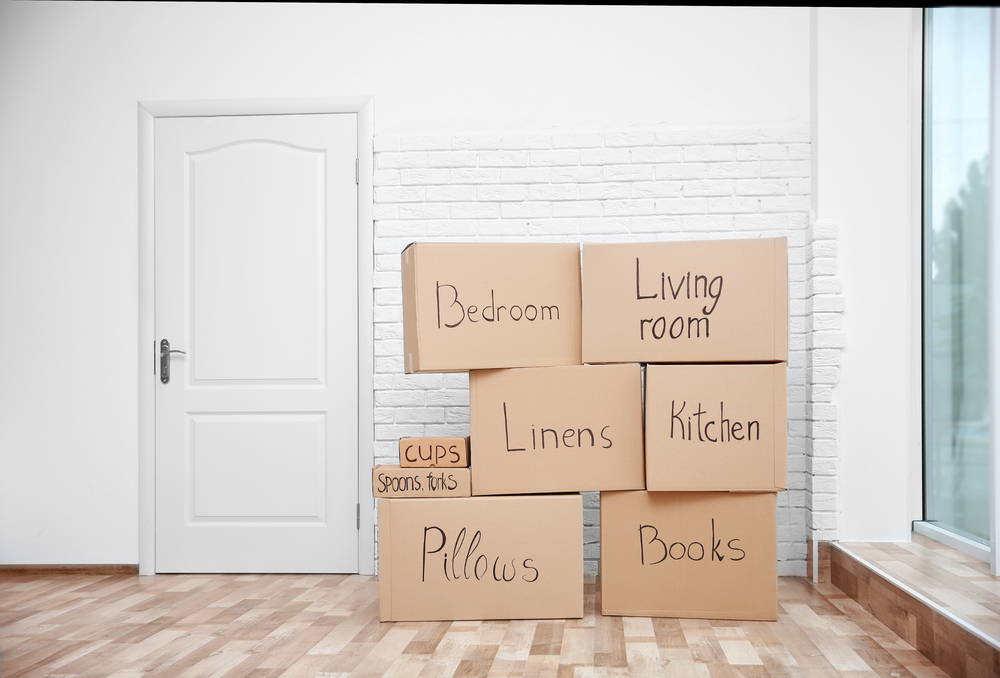
It can be easy to get carried away with packing materials like boxes, bubble wrap, and tape, but these can add up in terms of cost. To save some money here, think about what items you can pack without extra protection - towels and blankets make excellent padding material, so there’s no need to buy bubble wrap for fragile items like glassware or plates. If you don’t have enough packing materials at home already, see if friends or family have any they can lend you before buying anything new. Otherwise, consider looking online for used boxes which are often much cheaper than new ones from a packaging store.
Get Multiple Quotes
When looking for movers or other moving services, always get multiple quotes from different companies. Don’t just go with the first one you find; shop around until you see one that fits your budget and meets all your needs. If possible, ask friends and family for recommendations – they may be able to point you in the right direction when it comes to finding reliable movers at an affordable price point.

Declutter Before You Move
The more stuff you have to move, the more it will cost. To avoid paying for extra boxes or truck space, start decluttering before moving. Get rid of anything that is no longer useful or has sentimental value only - if it doesn’t bring joy or serve a purpose, then get rid of it! Donating unwanted items is a great way to clear out space while helping those in need. If you don’t want to throw away or donate items, consider selling them online or having a yard sale - this way, you can make some extra money while getting rid of things that are taking up space in your home.
DIY Where Possible
If specific tasks don’t require professional help (such as packing or cleaning), consider doing them yourself. This will save you a lot of money since professional services usually come with a hefty fee attached. You may even want to recruit family members or friends if possible – having extra hands on deck will make things go much more smoothly and quickly than attempting it alone!
Conclusion
Moving can be expensive, but with a bit of strategic planning and research beforehand, it doesn’t have to cost an arm and a leg. Use this guide as a reference when preparing for your next move so that you can keep more money in your pocket without sacrificing quality along the way. Good luck!